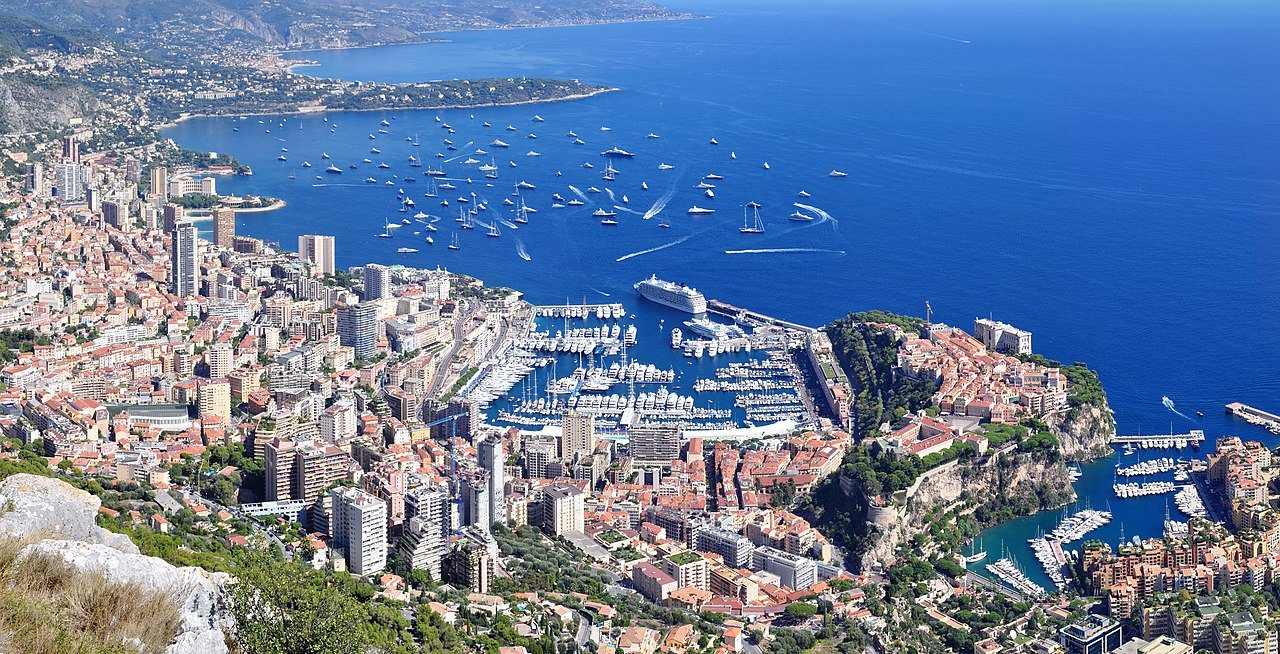
What Monaco is
Monaco is a sovereign state of about 2.1 square kilometres on the Mediterranean coast, wedged between France and the sea. It is smaller than Central Park, and around thirty-nine thousand people live in it.
The Grimaldi family have held the rock since 1297, when François Grimaldi took the fortress dressed as a Franciscan monk. That makes it the longest-ruling dynasty in Europe, and it is why a country this size exists at all.
What is genuinely unusual is the shape. Monaco is vertical — it climbs from the harbour to the corniche in terraces, and it moves people between them with a network of free public lifts cut through the cliff. And when it ran out of ground it made more: roughly a fifth of the country was reclaimed from the sea.
Monaco at a glance
| Country | The Principality of Monaco — a sovereign state, not part of France |
|---|---|
| Size | About 2.1 km². Smaller than New York's Central Park |
| Population | Around 39,000, of whom a minority are Monégasque citizens |
| Language | French is official. Monégasque is taught in schools; Italian and English are common |
| Currency | Euro (€) — though Monaco is not in the European Union |
| Border | In Schengen, so no check. You will cross into France without noticing |
| Getting around | On foot, using the free public lifts. There is no metro and you should not drive |
| May | The street circuit closes large parts of the country for weeks |
Start here
Twelve sections as twelve levels of the rock, each carrying a lozenge of the Grimaldi shield — because in this country an address is as much a height as a street.
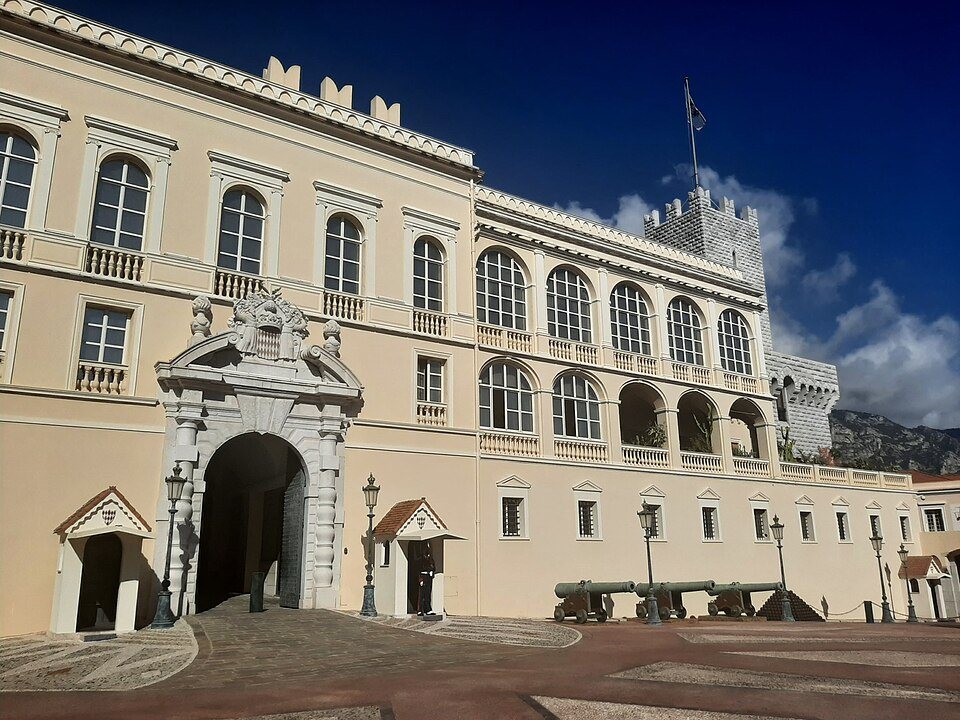 Palais Princier
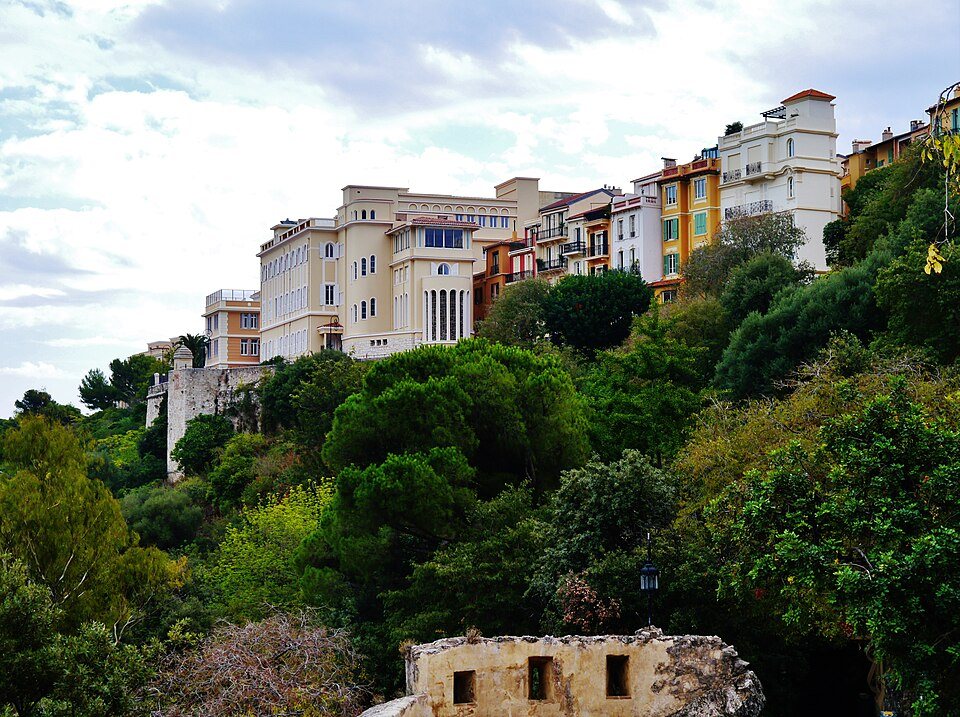 Monaco-Ville
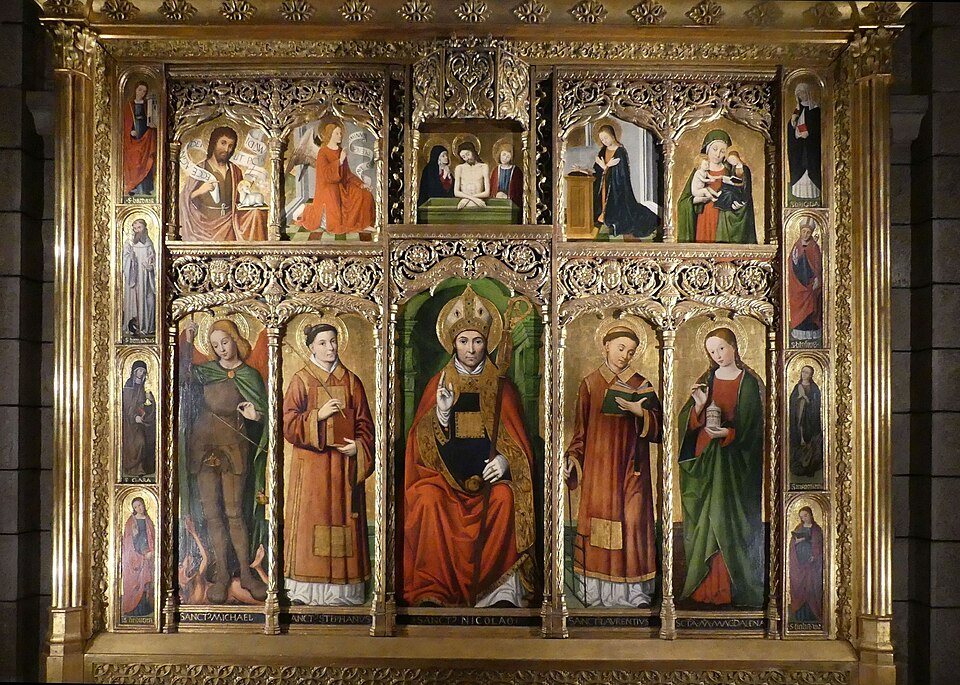 Cathédrale de Monaco
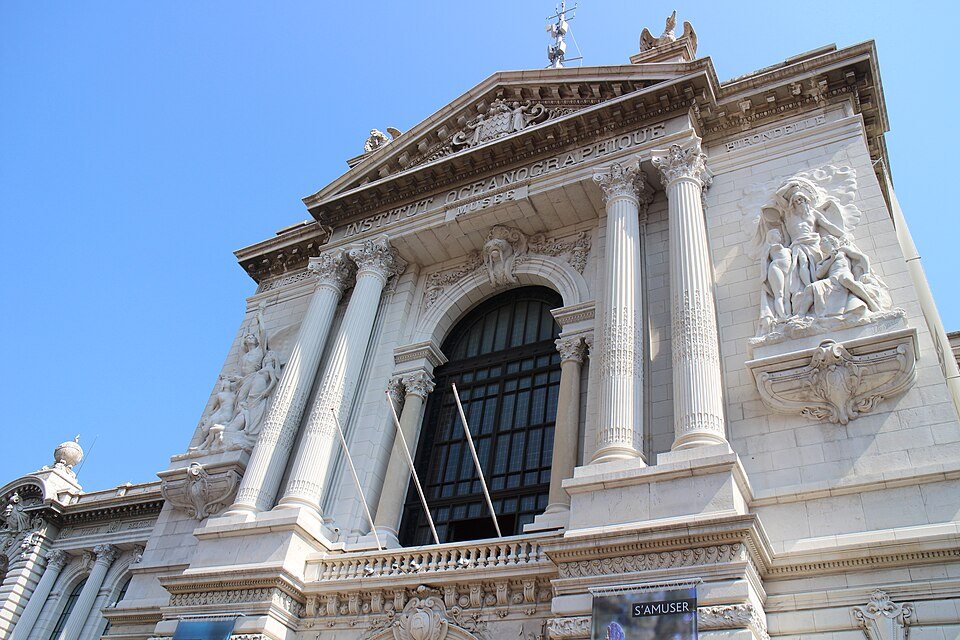 Musée Océanographique
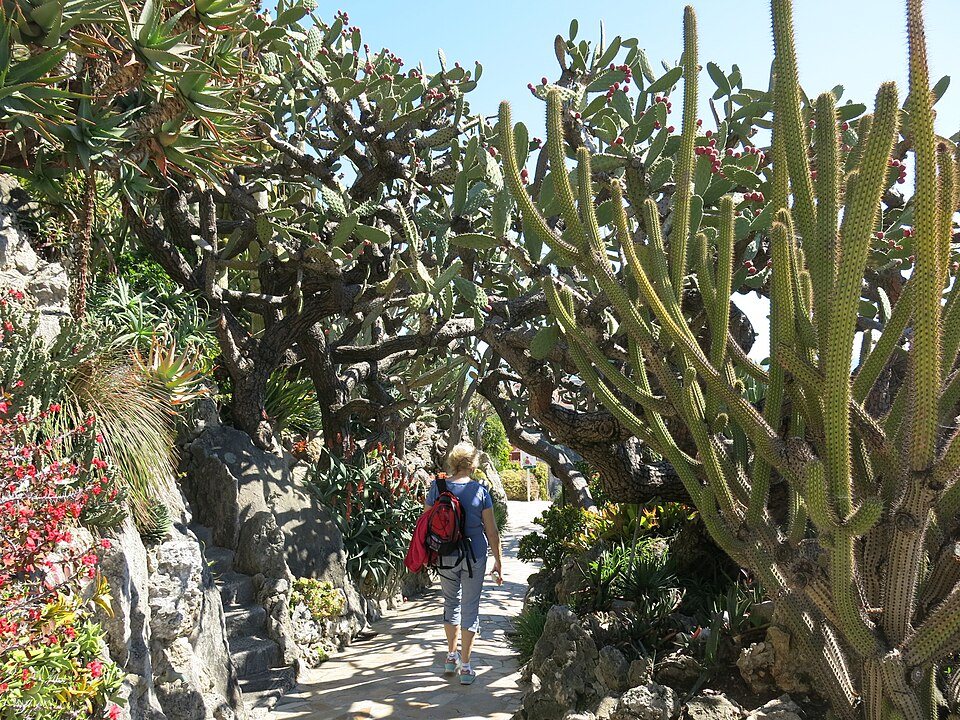 Jardin Exotique
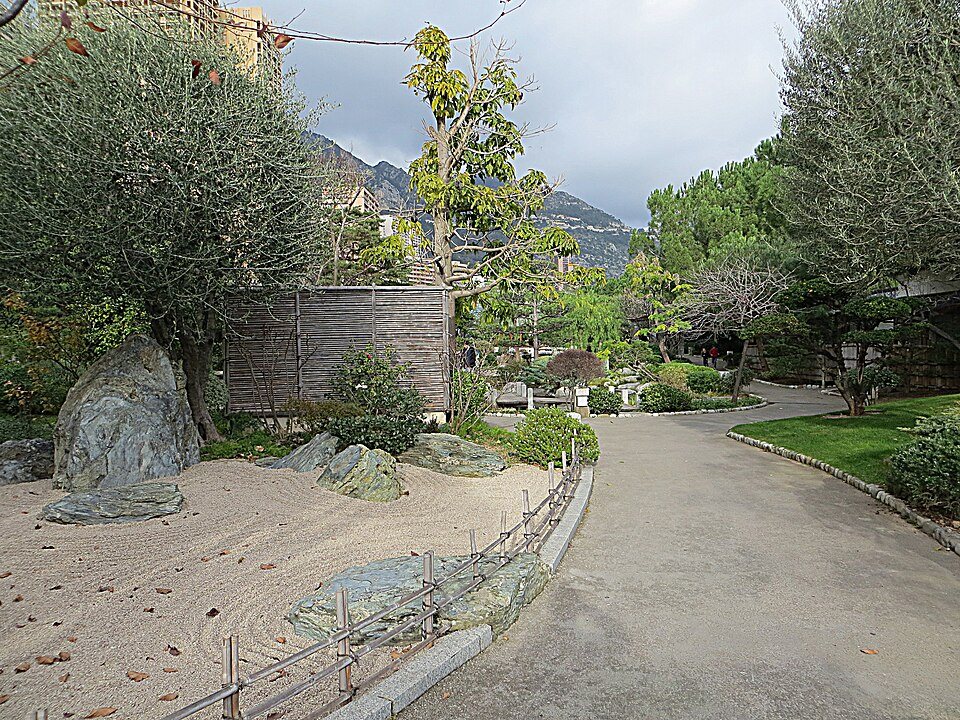 Jardin Japonais
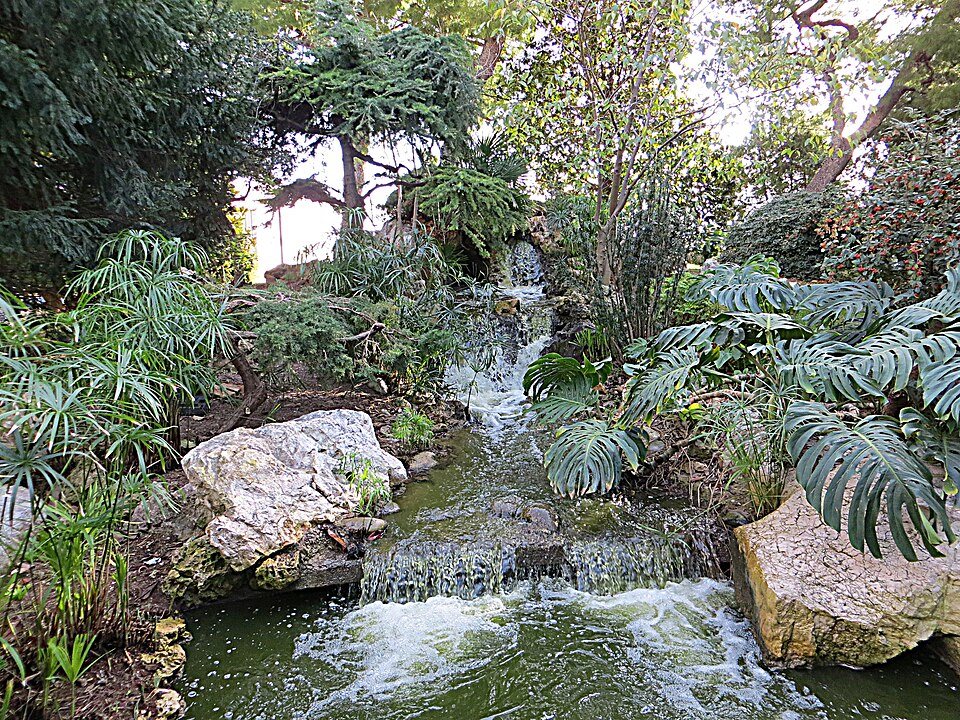 Roseraie Princesse Grace
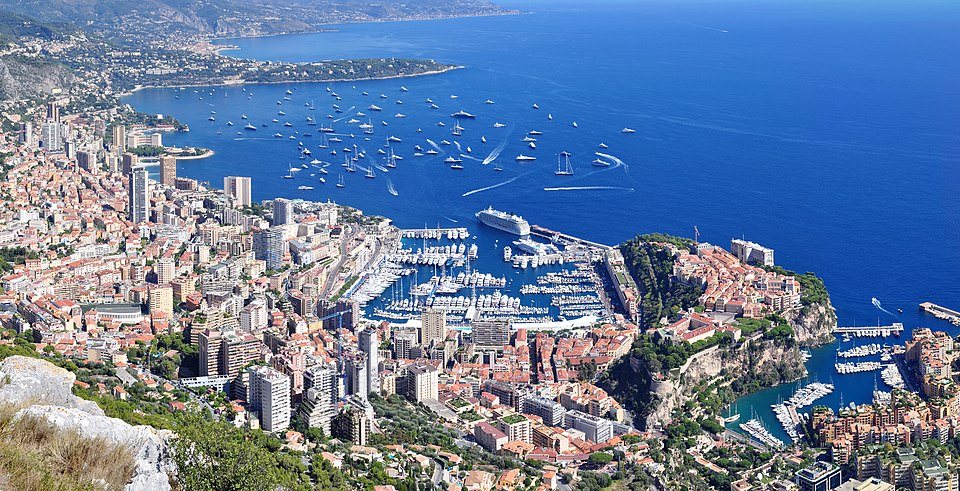 Port Hercule
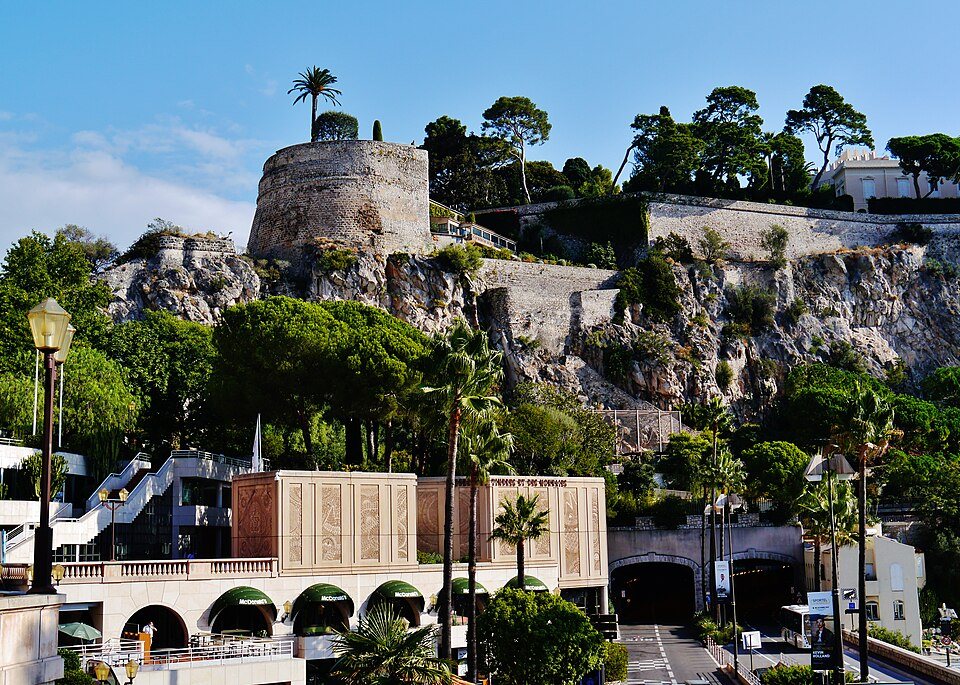 Fontvieille
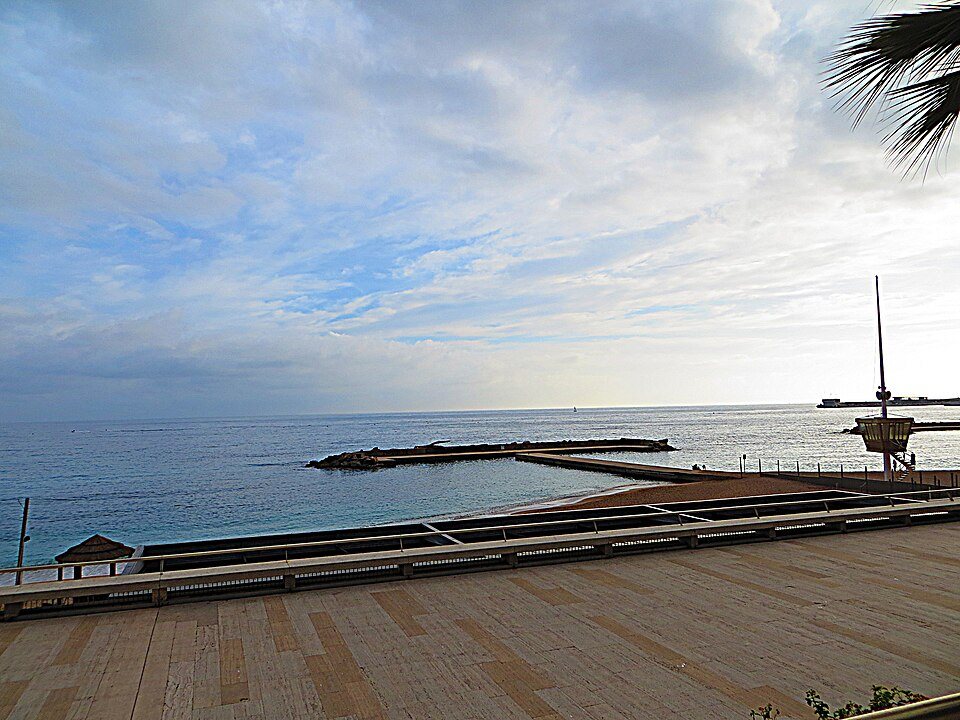 Larvotto
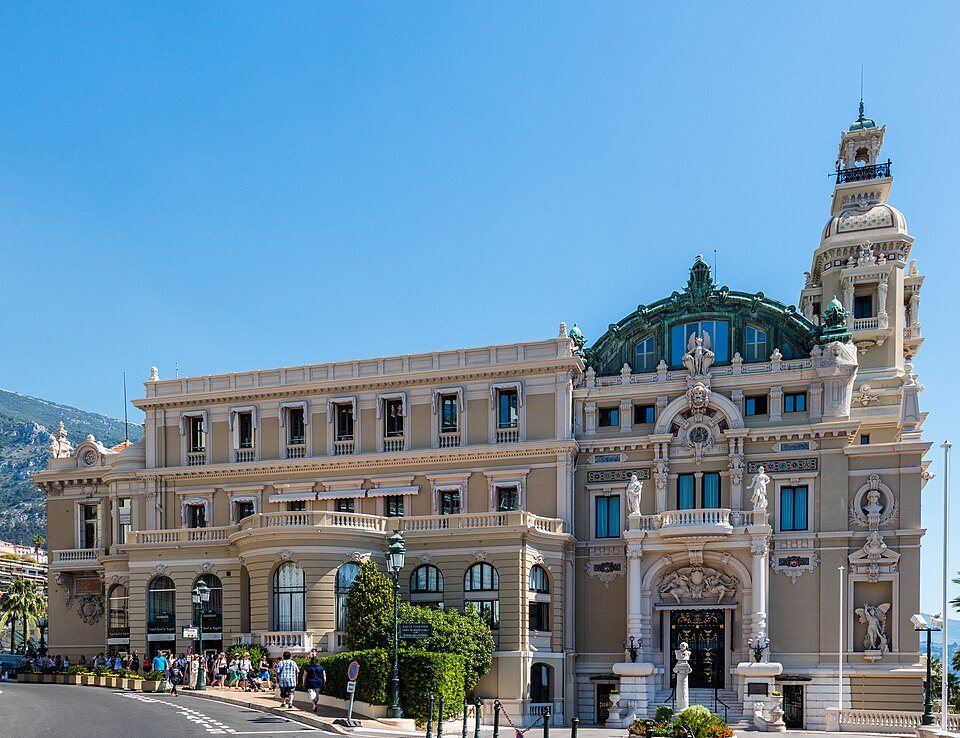 The Garnier Building
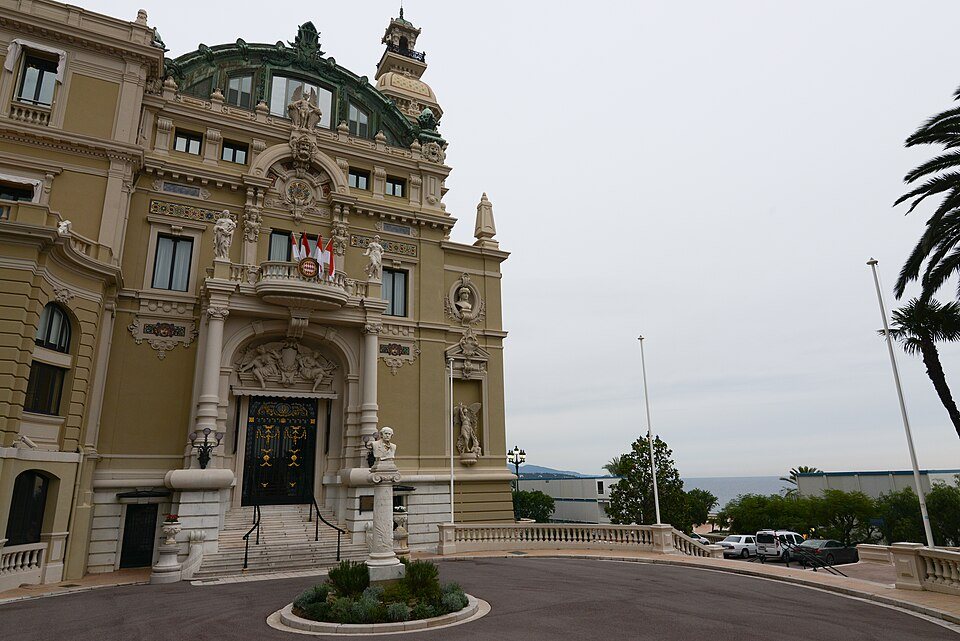 Opéra de Monte-Carlo
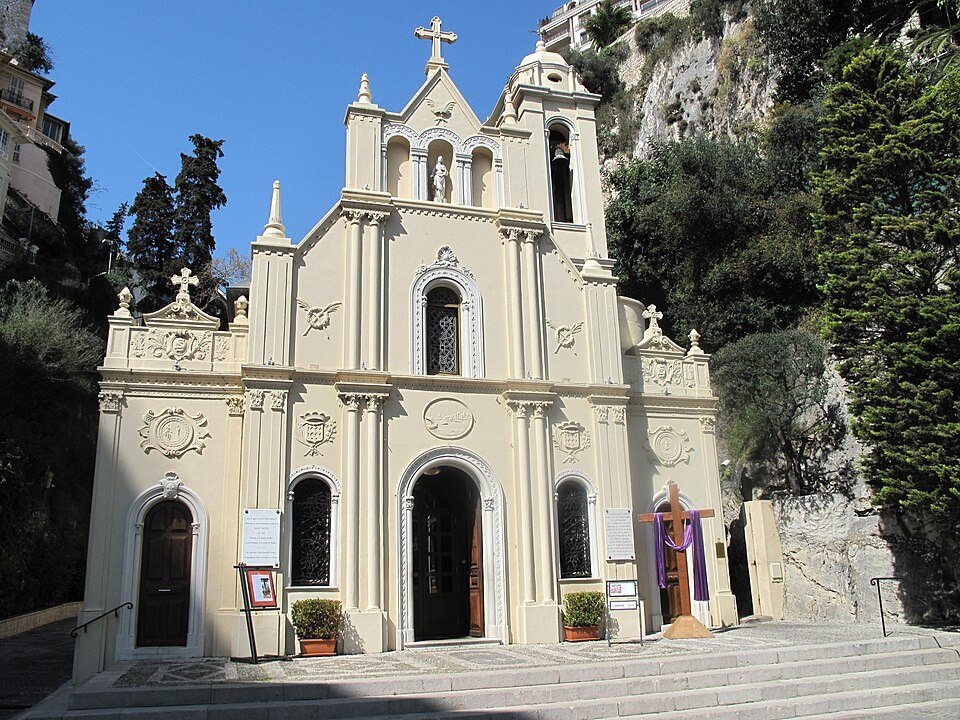 Chapelle Sainte-Dévote
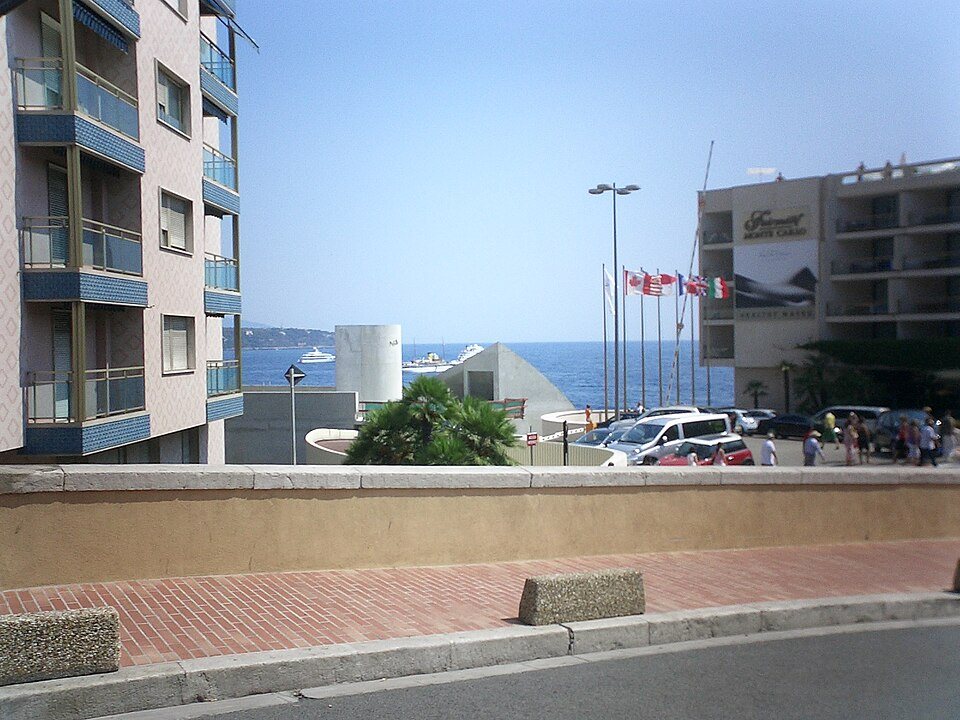 The Street Circuit
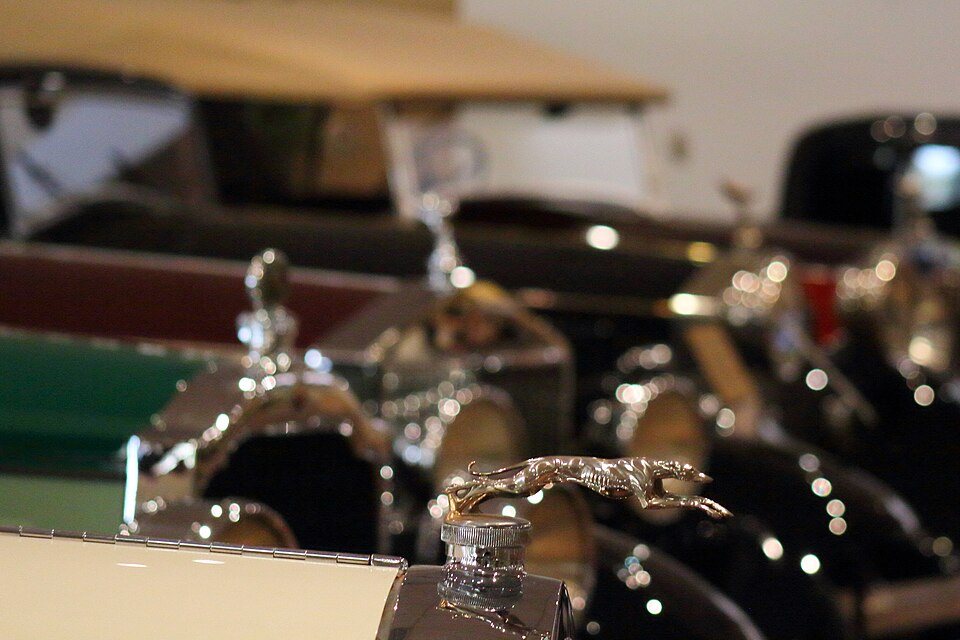 Collection de Voitures
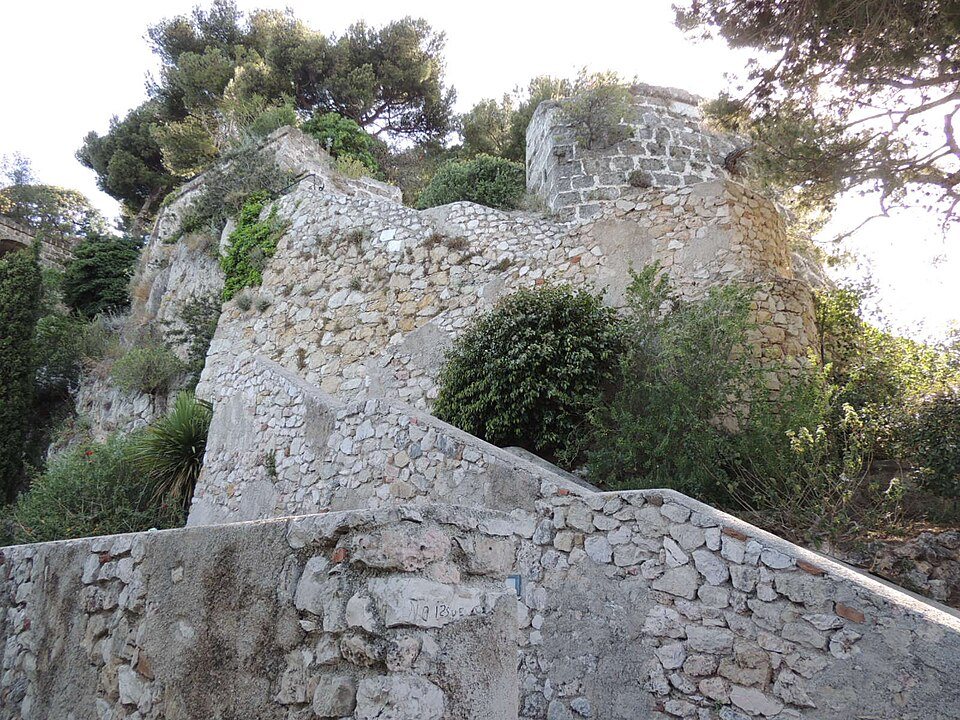 Fort Antoine
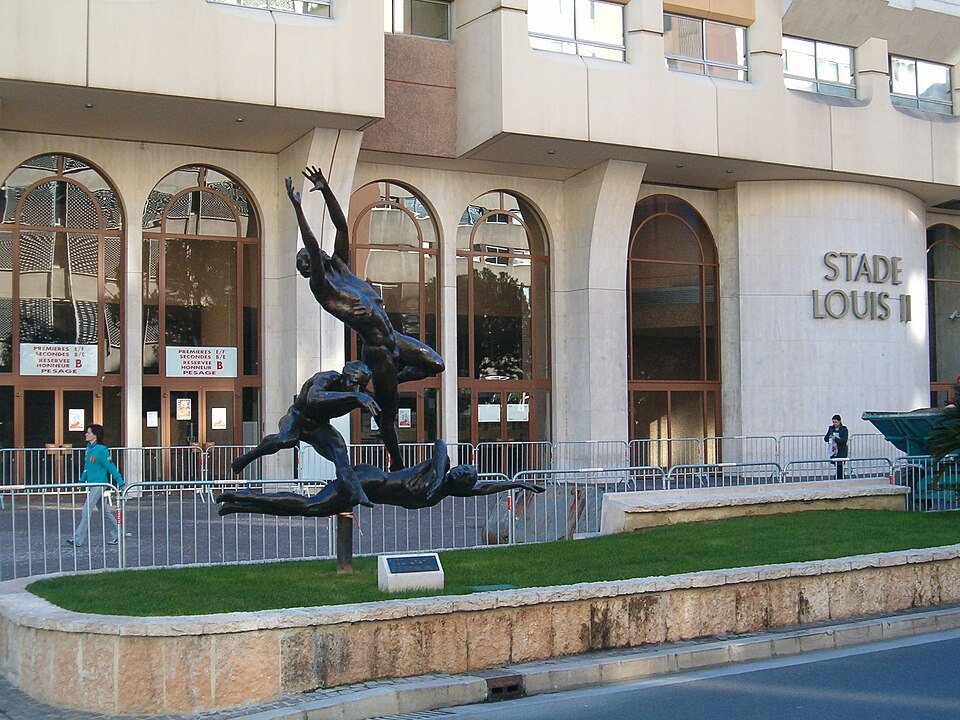 Stade Louis II