Monaco has a reputation for being a place where everything costs something, and a lot of it does. But a surprising amount of what makes the country worth visiting doesn't require a ticket at all — it just requires knowing where to look, and not assuming that "Monaco" automatically means "expensive." Here's what you can actually see and do without paying a cent.
Le Rocher, on foot, for nothing
The old town on the rock — Le Rocher, also called Monaco-Ville — is free to walk through in its entirety. The narrow streets, the ramparts with their views over the harbor, the small squares, the changing light on the pastel buildings: none of it is metered. This is the part of Monaco that looks the way people expect Monaco to look, and it costs nothing to experience it properly, on foot, at whatever pace you want.
The Cathédrale de Monaco, where Monaco's princes and princesses are buried, including Grace Kelly, is open to visitors to walk into and look around. Go early in the day if you want the inside without a crowd of tour groups moving through at once — cruise ship days bring a lot of foot traffic to this one spot in a short window.
The exterior of the Palais Princier and its square are also free to see. You don't need a ticket to stand in the square, look at the building, or watch what happens there daily — which brings us to one of the best free spectacles in the country.
The changing of the guard
Every day, the guards outside the Palais Princier change over in a short, formal routine in the square in front of the palace. It's free to watch, it happens rain or shine, and it draws a crowd that fills in from all sides of the square well before it starts. Arrive with enough time to get a spot along the railings rather than behind a wall of raised phones — the square is smaller than photos make it look. The exact time is set by the palace and does shift occasionally, so check the official schedule rather than relying on a number you read somewhere else.
This is the one moment in Monaco-Ville where the square genuinely fills up. If you dislike crowds, see the rest of the old town either side of it instead.
Gardens that don't charge admission
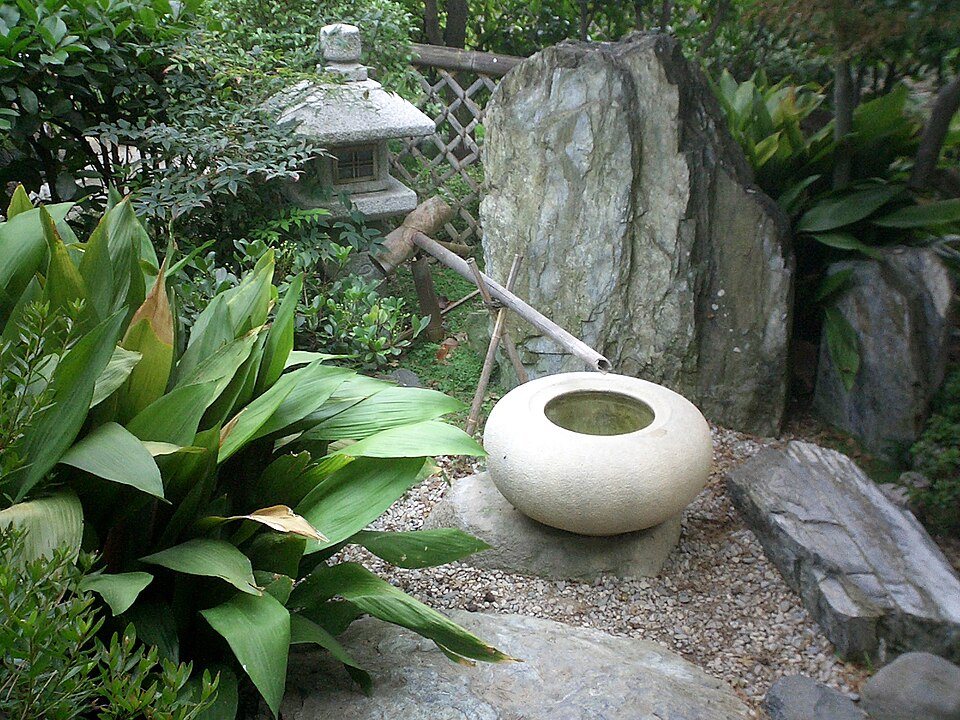
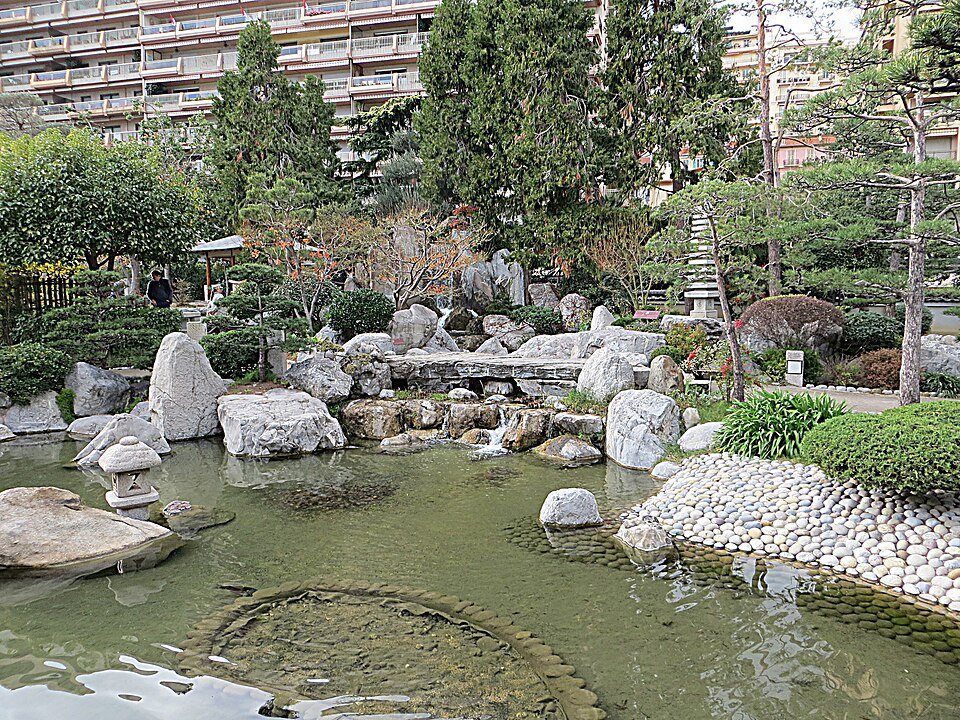
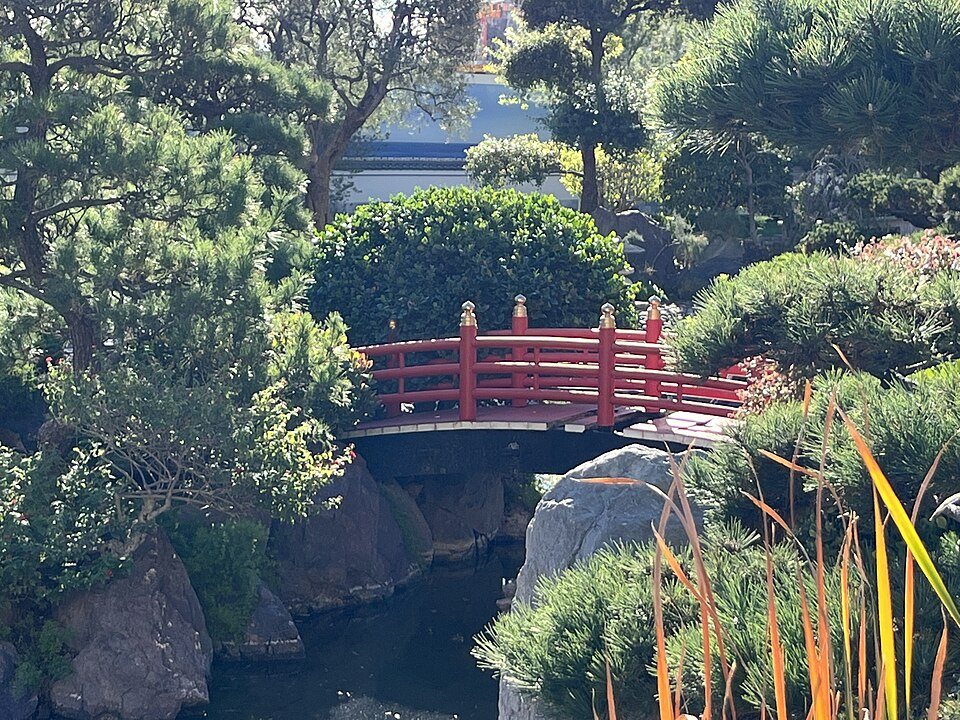
Monaco has more green space than its size suggests, and two of its best gardens are free. The Jardin Japonais, down near Larvotto, is a small, precisely composed Japanese garden with a pond, a teahouse, and raked gravel — it's open to the public with no entry charge, and it's quiet even when the beach nearby is full. The Roseraie Princesse Grace, in Fontvieille, is a rose garden created in memory of Princess Grace, planted with thousands of rose bushes and open to anyone who walks in.
The Jardin Exotique, by contrast, is ticketed — its cactus-covered cliffside and cave tour are worth the visit, but don't expect to wander in for free the way you can at the other two. Know which is which before you plan a garden day, so you're not caught paying when you expected not to, or skipping something good because you assumed it would cost money.
The harbour, the coast, and the sea
Walking the full loop of Port Hercule, Monaco's main harbor, costs nothing and is one of the best ways to spend an hour in the country — the yachts are genuinely worth looking at, and so is the view back up at the Rock and the palace from water level. The smaller Fontvieille marina, on the other side of the made ground that extends the principality's footprint into the sea, is quieter and equally free to walk.
Monaco's public beaches, including the main stretch at Larvotto, are free to use — you can swim, sit on the sand, and access the water without paying anything. What costs money there is the sunbed and parasol rental from the private beach concessions that operate sections of it; if you bring your own towel and don't mind sitting on the public sand, the sea itself is free, as it is everywhere along Monaco's coastline.
The small chapel of Sainte Dévote, tucked into a cleft by the harbor and dedicated to Monaco's patron saint, is free to step into, and its setting — wedged against the rock, with the road to France running right past it — is one of the more overlooked corners of the country.
Architecture you can admire without a ticket
You don't need to go inside a building to look at it. The Casino de Monte-Carlo building, designed by Charles Garnier, is one of Monaco's architectural landmarks, and its façade, gardens, and the square in front of it (Casino Square) are free to walk around and photograph. The same building houses the Opéra de Monte-Carlo, known as the Salle Garnier — an opera house whose performances are ticketed through the box office, but whose exterior and surrounding terraces cost nothing to see.
The Stade Louis II, Monaco's football stadium, has a distinctive arched exterior that's visible and photographable from the street without any need to go inside. And Fort Antoine, an 18th-century fort converted into an open-air amphitheater, is free to walk into and look around when it isn't set up for one of its occasional performances — it's a short, flat walk from the old town and most visitors miss it entirely.
If you time a visit around the Circuit de Monaco's race weekend, the track itself is obviously not free and tickets sell out fast — but for the rest of the year, the actual roads used for the circuit are ordinary public streets. Walking or driving sections of the route — past the harbor chicane, up toward Casino Square — costs nothing and is the only way most visitors ever experience the track at all.
The detail most visitors never clock: the lifts
Monaco is built on a steep hillside, and rather than making everyone climb it, the country has installed a network of public elevators and escalators connecting the different levels of the city, from the harbor up to the Rock or across to the train station. They're free, they run continuously, and using them well is the difference between an exhausting day and an easy one. See getting around for how the network fits together — it's arguably the most useful free thing in the entire country, and almost nobody mentions it until they've already walked up a hill they didn't need to.
In pictures