If you book a trip to Monaco in May without checking the calendar first, the country you arrive in will not quite match the photos you've seen. Starting weeks before the Circuit de Monaco Grand Prix itself, crews begin closing streets, erecting steel grandstands, and running miles of debris fencing along pavements that are, the rest of the year, ordinary sidewalks. By race week, a meaningful share of the principality's public space is barricaded, and several of the walking routes this site describes elsewhere simply won't exist in their usual form.
This isn't a reason to avoid May — plenty of visitors come specifically for the buildup, and the grandstands going up around Port Hercule are a spectacle in their own right. But if you're coming for the Monaco most guides describe — the Rock, the gardens, the quiet harbor walk — you need to know which parts of that Monaco are temporarily gone, and why your phone's walking directions will send you in confident circles that dead-end at a fence.
Why the whole country feels under construction
The Circuit de Monaco isn't a purpose-built track. It's the public road network — Boulevard Albert I along the harbor, the climb past the Casino Square area, the tunnel under the Fairmont hairpin, the run down to Sainte Dévote — closed off and converted into a racetrack once a year. Converting a city street into a track means barriers along every curb, catch fencing at every corner a car might leave the road, and grandstands bolted into scaffolding wherever spectators will sit. None of this appears overnight. Installation starts well before the race and comes down only gradually afterward, so the footprint of disruption is much longer than the event itself.
The mistake most first-time May visitors make is assuming the disruption is confined to "race weekend." In practice, the principal streets along the harbor and up through Monte Carlo can be in some state of fencing, resurfacing, or grandstand assembly for a stretch of weeks either side of the race. Check the build-up and tear-down schedule with the circuit organizers before you fix your itinerary, rather than assuming a date a few weeks out is safely clear.
Which walks actually get blocked
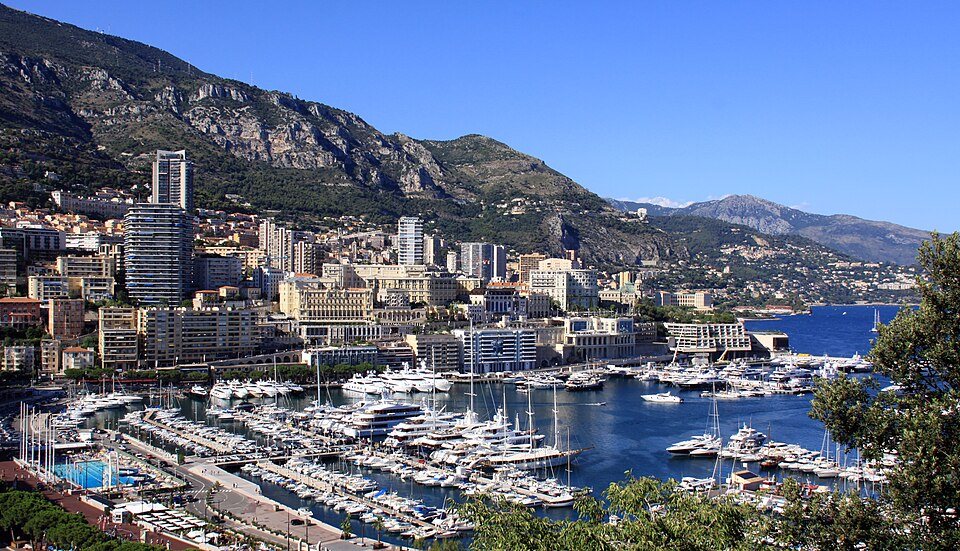
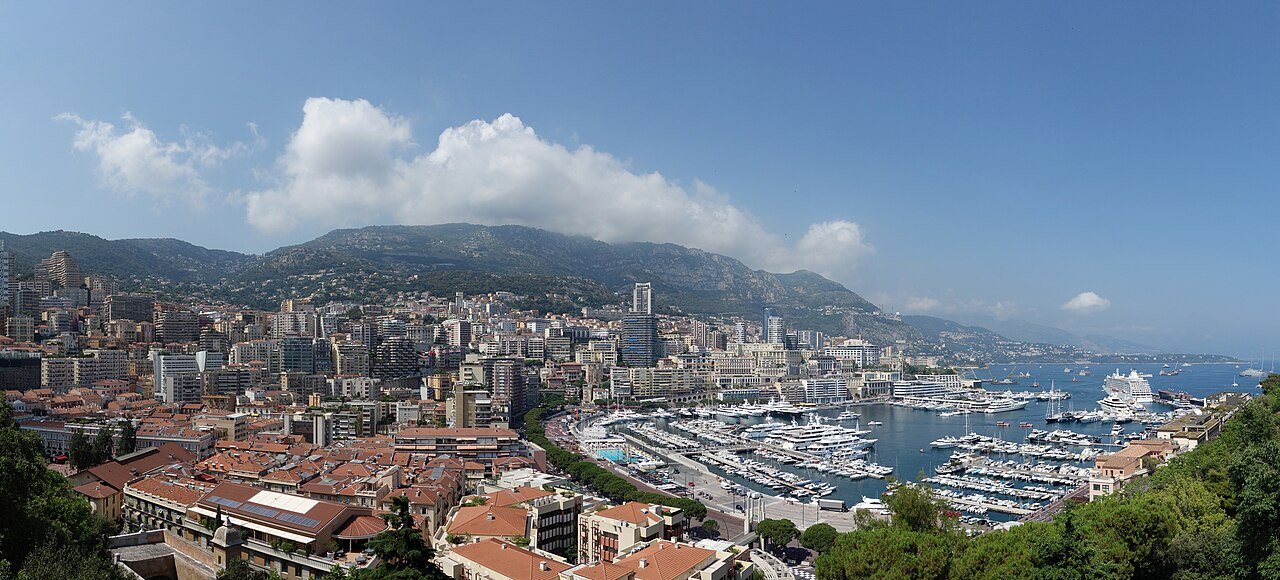
The harbor promenade around Port Hercule takes the heaviest hit, since it forms a long straight of the circuit and hosts some of the largest temporary stands. The waterside path that normally lets you walk the full curve of the harbor in one go gets interrupted by fencing and, closer to the event, by the stands themselves — you may need to detour up and around rather than along the water.
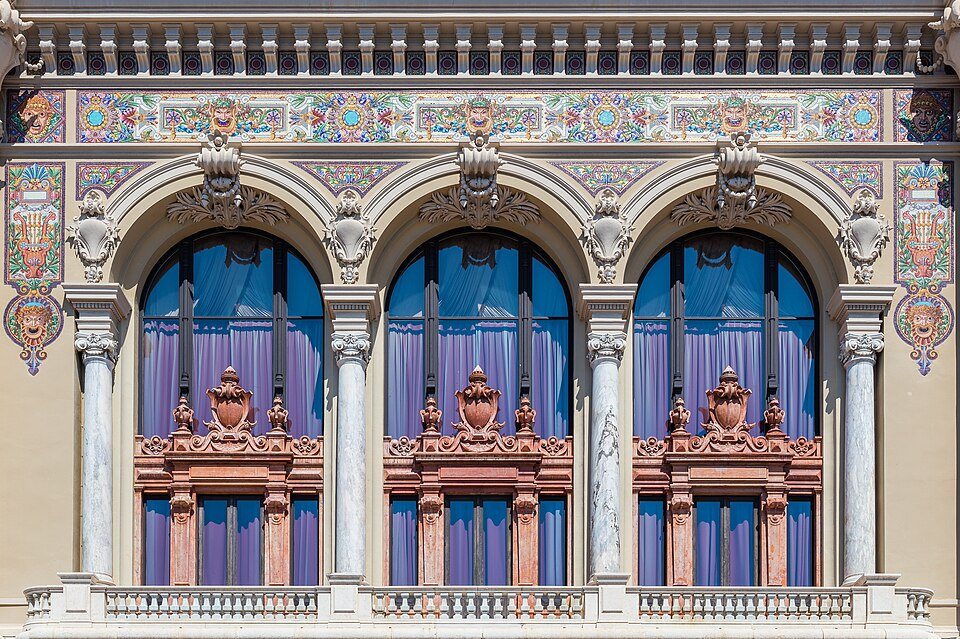
The climb from the harbor toward Casino Square is another chokepoint. This stretch of road is one of the circuit's defining sections, and the square itself — along with the approach to the Garnier building, the 19th-century hall that houses the Salle Garnier opera house — gets ringed with barriers and camera scaffolding that change the whole feel of the plaza. If your plan was to stroll up from the port for a look at the square and the gardens beyond, expect a longer, less direct route, and expect the square itself to be noisier and more crowded with technical crews than with tourists.
Sainte Dévote, usually a quick stop on the way between the harbor and Monte Carlo, is a hard pinch point — the chapel sits right at a circuit corner, and the road past it is both narrowed and fenced for a long stretch. The Jardin Exotique and the Rock sit above the circuit's main lines and are far less affected, which makes them a sound fallback if you're trying to plan a day that avoids construction entirely.
What stays open, and what to do instead
The Rock itself is largely untouched. Monaco-Ville, the Palais Princier, the Cathédrale de Monaco, and the Musée Océanographique all sit above the circuit's route and keep functioning normally, barring the general crowding that comes with a major event in a small country. If you want a day in Monaco during build-up week that feels like any other visit, build it around the Rock rather than the harbor or Monte Carlo.
Fontvieille is the other reliable option. The Fontvieille district, with the Collection de Voitures and the harbor there, sits outside the main circuit loop and keeps its ordinary rhythm even as the rest of the principality fills with scaffolding. The Roseraie Princesse Grace nearby is a good quiet stop if you want green space without barriers.
If your plan absolutely requires crossing a fenced section — say, you're staying in Monte Carlo and need to reach the harbor — build in extra time and expect to walk around rather than through. Pedestrian crossing points through the circuit fencing do exist, but they're limited in number and can mean a longer walk than your map suggests. See Getting Around for how the principality's buses and lifts can substitute for a blocked street-level walk; the public elevators that connect different levels of the Rock and Monte Carlo are not affected by the surface fencing and are often the fastest way to leapfrog a closed stretch of road.
If you're coming specifically for the fencing
Some visitors time their trip precisely to watch Monaco turn into a racetrack — the grandstands going up section by section is itself worth seeing, and the principality takes on an energy in build-up week that's different from its usual calm. If that's your interest, base yourself near the harbor rather than the Rock, and expect the harbour view to change almost daily as more structure appears. Just don't expect to also fit in a leisurely, uninterrupted stroll past the Jardin Japonais and along the water in the same afternoon — pick one Monaco or the other for each day, because in May they don't fully coexist.
Whichever you choose, confirm your dates against the official build-up schedule before booking anything, since the exact start of fencing can shift year to year. A trip planned around a few days' buffer either side of your intended visit will save you from discovering, mid-walk, that the path you remembered from a photo no longer exists.
In pictures