Monaco has a reputation for emptying wallets, and restaurant menus near the harbor do their best to live up to it. But the principality is also tiny, walkable, and full of people who live and work here on ordinary salaries — which means there is a whole layer of food culture that has nothing to do with tasting menus or terrace views. You just have to know where to look, and more importantly, where not to sit down.
Start at the market, not the menu
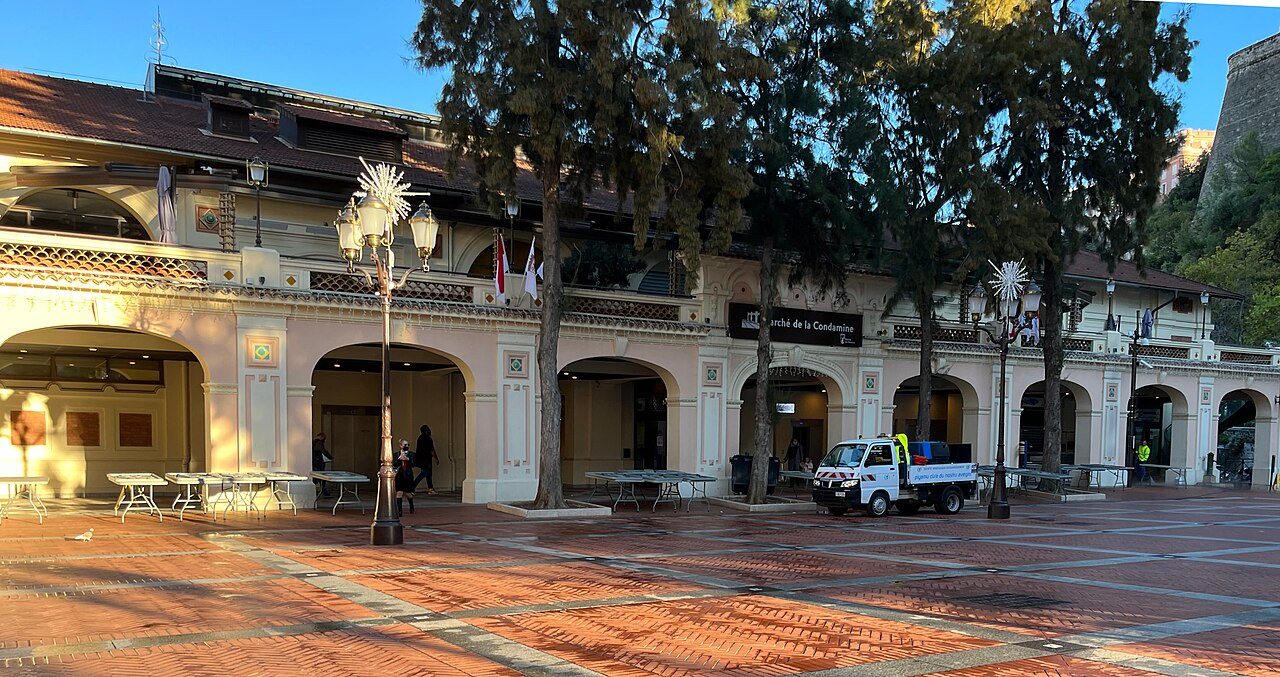
The Marché de la Condamine, in the covered hall near the harbor, is the single best place to understand how people in Monaco actually eat day to day. Stalls sell fresh produce, cheese, fish, and prepared Mediterranean dishes you can take away — socca, stuffed vegetables, salads by weight. It's used by residents doing their weekly shop as much as by anyone else, and the prices reflect that. Go mid-morning on a weekday if you want to see it working rather than packed.
Buy more than you think you need. A few slices of socca and a wedge of fougasse from the market cost a fraction of a seated lunch and travel well to a bench with a view, which Monaco has no shortage of.
There's also a general supermarket a short walk from the market hall, useful for bottled water, fruit, and anything you'd otherwise overpay for at a kiosk near the harbor.
Monegasque street food is the real bargain
Monaco's actual native cuisine is simple, Mediterranean, and designed to be eaten standing up or walking — which happens to make it the cheapest honest food in the principality. A few things worth knowing by name:
- Barbagiuan — small fried pastries stuffed with Swiss chard and ricotta. Sold by the piece at market stalls and bakeries; the local snack, full stop.
- Socca — a thin chickpea-flour pancake cooked on a griddle, sold in slices. Closer to a flatbread than anything resembling pizza, despite the comparisons you'll read elsewhere.
- Fougasse — a sweet, orange-flower-scented bread, different from the savory fougasse found elsewhere in France. Good with coffee, good on its own.
- Pan bagnat — a tuna, egg, and vegetable sandwich pressed in olive oil, eaten across the Riviera but just as common here. A whole meal for the price of a snack.
None of these require a table, a reservation, or a menu translated into four languages. They're sold at bakeries throughout Monaco-Ville and Condamine, often from the same ovens that have been running for decades.
Where to actually sit down and eat it
Monaco's advantage is that almost every good picnic spot is also a sight you'd want to see anyway, so you're not sacrificing anything by skipping the restaurant.
- The benches and ramparts around Le Rocher overlook the harbor and the sea at the same time, and nobody will stop you from sitting with a paper bag of barbagiuan.
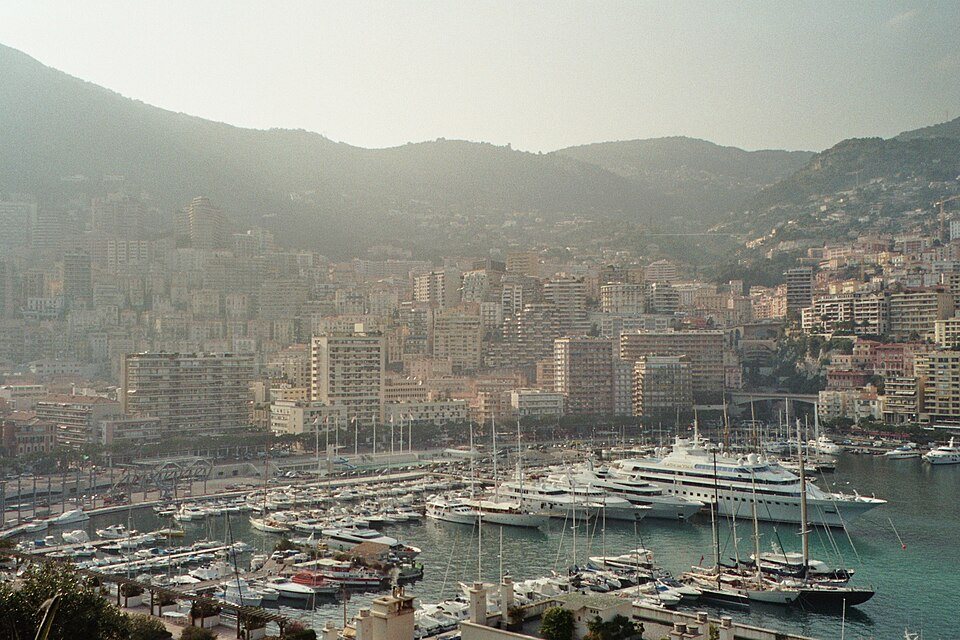
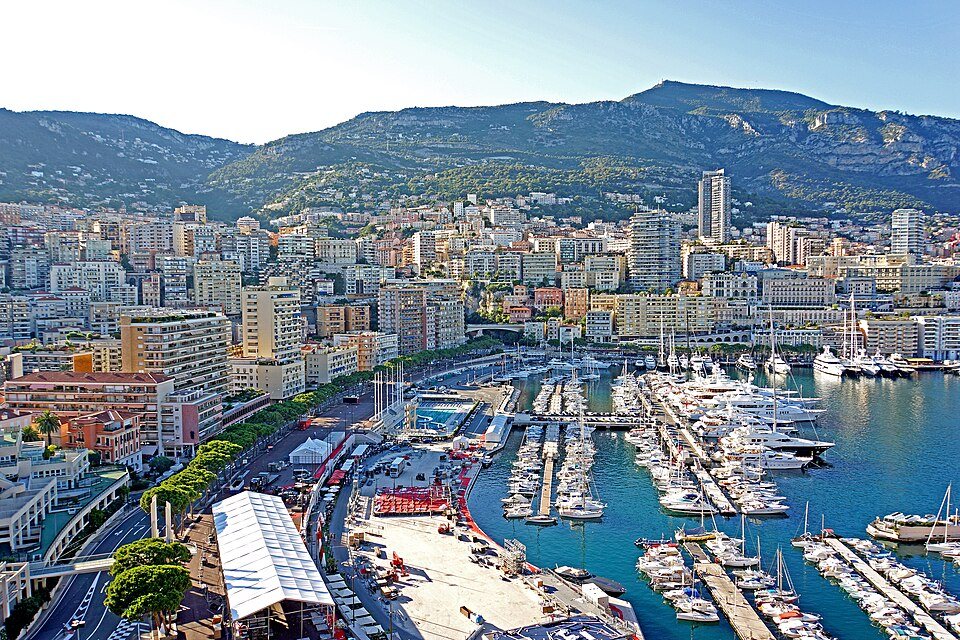
- Port Hercule has public walkways right along the water where you can watch the boats without paying for a seat at the restaurants lining the marina.
- The terraces of the Jardin Exotique give you one of the widest views in Monaco, and a bench there costs nothing — though you'll need an admission ticket to reach it, so it only makes sense if you're visiting the garden anyway.
- The Roseraie Princesse Grace, out toward Fontvieille, is quieter and shaded, a good option if you want somewhere to actually linger rather than just perch.
- Fontvieille's park areas are flat, green, and almost entirely ignored by tourists, which makes them reliably uncrowded at lunchtime.
- Larvotto beach has public sections where you can eat with your feet nearly in the sand, no beach-club membership required.
Avoid eating directly outside the Oceanographic Museum or anywhere with an unobstructed view of the Casino Square — the prices at the cafés in direct sightline of either landmark are priced for the view, not the food, and you're paying twice for the same scenery you just got for free a few streets back.
Avoiding the tourist markup when you do sit down
Sometimes you want a table, cutlery, and someone else to do the cooking, and that's reasonable — Monaco has plenty of places that don't gouge. A few habits make the difference:
- Walk one street back. Anywhere with a direct sea view or harbor view charges for it. Move inland a block in Condamine or Monaco-Ville and the same dish is often noticeably cheaper, with no real drop in quality.
- Look for a fixed midday menu. Many restaurants that cater to office workers in Monaco and neighboring Beausoleil and Cap-d'Ail run a set lunch formula — starter and main, or main and dessert — that is far better value than ordering from the à la carte menu at dinner prices.
- Eat where the Monégasques eat. The backstreets of Monaco-Ville and the area around the Condamine market have small family-run spots serving Niçoise and Ligurian dishes — pissaladière, ravioli, stuffed vegetables — that rarely appear in guidebooks because they don't need the business from passing tourists.
- Treat Fontvieille as a value zone. Because it's residential rather than a postcard district, cafés and bakeries there price for locals, not for cruise-ship crowds.
If you're combining a meal with sightseeing, build it into your route rather than treating it as a separate errand — a barbagiuan stop on the way up to Le Rocher or a market lunch before heading to the Jardin Japonais costs you no extra time and saves you from a sit-down detour later. For more on stringing a day together efficiently, see our suggested itineraries and the basics of getting around Monaco on foot.
None of this requires sacrificing what makes eating in Monaco worthwhile — good bread, good olive oil, fish that came out of the water that morning. It just means not assuming that a sea view and a tablecloth are the only way to get it.
In pictures