Most visitors experience the Monaco Grand Prix circuit backward, without realizing it. They stand at Casino Square, admire the view, and drift downhill toward the harbor because that's where the legs want to go. The cars do the opposite. They come out of Sainte Dévote at the bottom and climb, hard, through a series of corners that only make sense once you've felt the gradient under your own feet. Walking it uphill, in the direction the race runs, is the only way to understand why this stretch of road is treated as a serious piece of track rather than a scenic backdrop.
Starting at Sainte Dévote
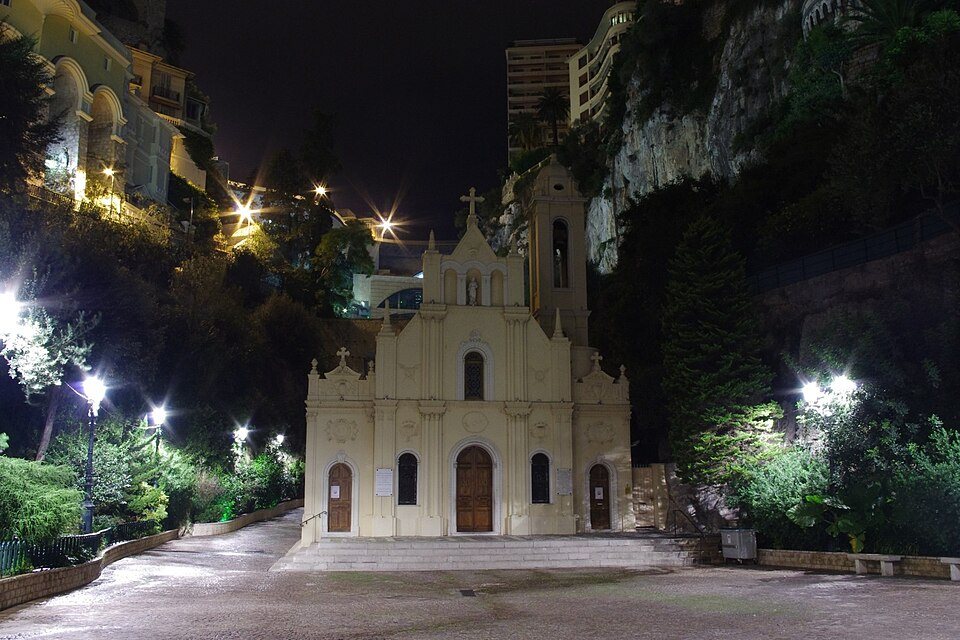
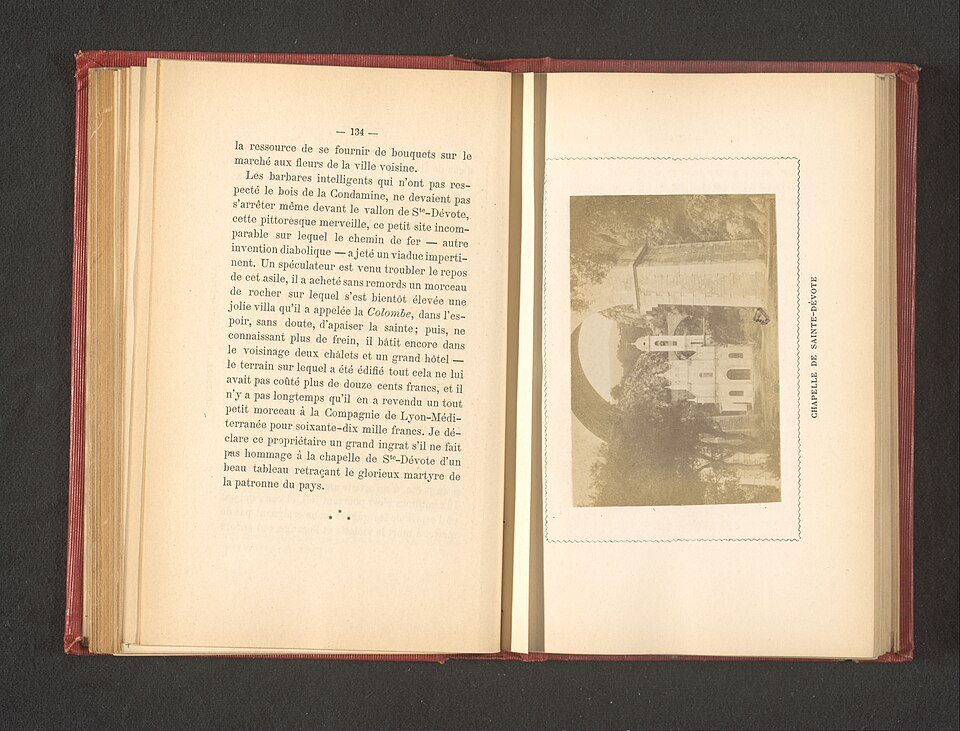
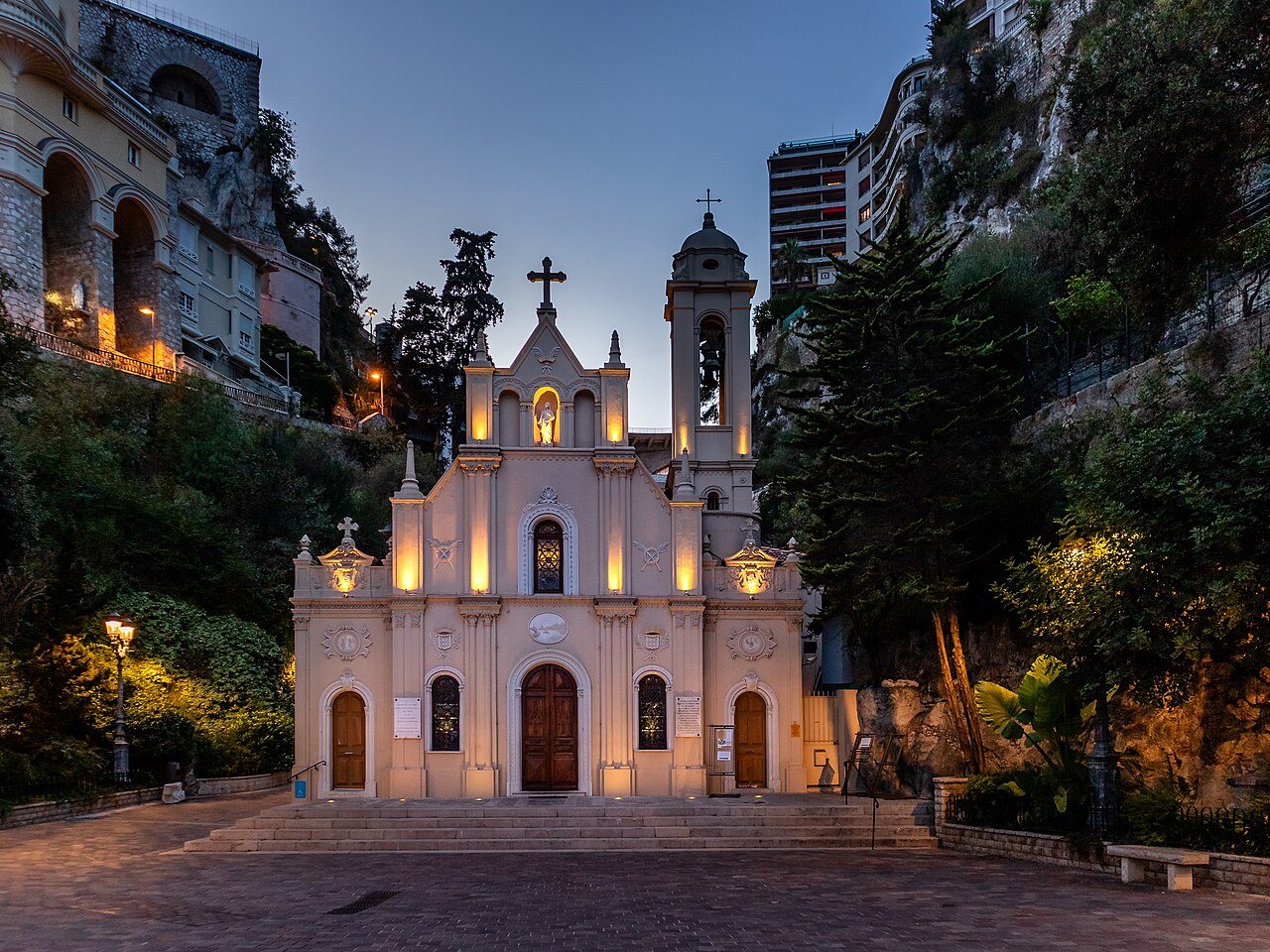
The chapel of Sainte Dévote sits in a dip where a stream once ran down from the hills before the valley was built over. This is corner one on the circuit, a tight right-hander, and in person it's startlingly small — barely wider than a normal city junction. Race week barriers and grandstand scaffolding make the geometry obvious; outside of that, you have to look for the painted curbing and the run-off markings to see where the racing line actually goes.
Stand on the chapel steps for a moment before you start climbing. It's the only point on the whole lap where you're at sea level, and it sets the scale for everything above — the road rises steeply and almost immediately.
The climb through Beau Rivage and Massenet
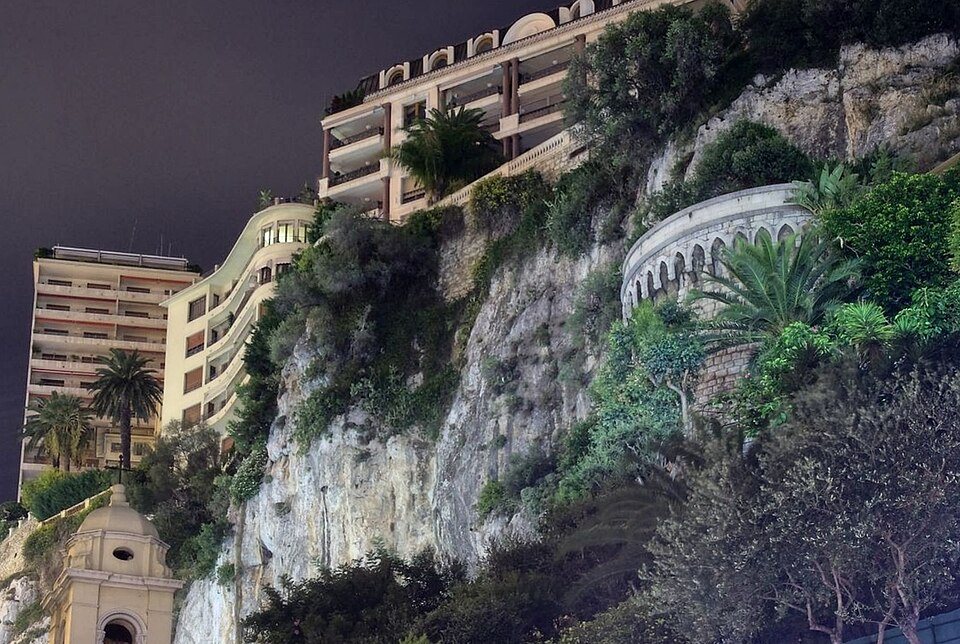
From Sainte Dévote the road bends left and begins to pitch upward along what race commentary calls the Beau Rivage straight, though "straight" undersells a road that's visibly climbing the whole time. Cars hit their highest speeds on this stretch before braking hard for the right-left flick at Massenet, outside the Hôtel de Paris. On foot, this is the part where people underestimate the circuit. It looks like an ordinary avenue lined with balconied buildings, but the gradient is the same one the drivers are fighting, and a walk up it in warm weather is a genuine effort, not a stroll.
The pavement narrows in places where awnings, delivery trucks, or construction hoarding encroach on the sidewalk. This is a working street for most of the year, not a pedestrian zone, so keep to the marked crossings rather than cutting across traffic the way you might elsewhere in the streets of Monaco.
Casino Square and the architecture
The road levels out at the top into Casino Square, the only flat, open space on this entire section of circuit, which is why it's also where the crowds concentrate during the race. The building standing at the head of the square was designed by Charles Garnier and houses the Salle Garnier, the opera house of Monte Carlo — a fact worth knowing simply for the architecture, since the façade, with its turrets and ornamental ironwork, is one of the most photographed in Monaco regardless of what else happens inside it.
Across the square, the circuit swings right past the Café de Paris corner and starts down again toward Mirabeau. This is the only point where uphill walkers and the race direction briefly diverge from what most tourists expect: the crest of the hill isn't a destination so much as a hinge, where the road changes its mind and starts dropping just as sharply as it climbed.
Reading the rest of the lap from here
You don't have to walk the entire circuit to understand it, and large parts of it — the tunnel under the Fairmont, the harborfront chicane, the swimming pool section by the harbour — are easier to take in from below, looking up, than on foot in traffic. But having climbed the first third the way the cars do gives the rest of the layout a logic it doesn't have from a map. The hairpin below the square, officially the Grand Hotel Hairpin, is taken at walking pace by Formula One cars for a reason: it's absurdly tight, tighter than it looks in photographs, wedged between the hotel and a retaining wall with almost no run-off.
If you want the full lap without retracing your steps twice, come back down via Mirabeau and the hairpin rather than returning the way you climbed. It's a shorter, more direct descent and it puts you back near the harbor, close to the harbour and a short walk from the Prince's car collection in Fontvieille, which is worth pairing with a circuit walk since many of the cars on display have actually raced this exact road.
Practicalities worth knowing before you set off
There's no single marked "circuit trail" — you're walking ordinary public streets that happen to host a race once a year, so there are no barriers, no admission, and nothing to book. The one thing to plan around is the calendar: for much of the spring, grandstands and fencing go up weeks in advance of the race itself and come down gradually afterward, which can block sightlines, close sidewalks, or reroute pedestrians for a stretch of months rather than days. Check current conditions with the circuit's own information before relying on a specific stretch being open, since the circuit is a living street, not a museum piece.
Footwear matters more than people expect. The gradient between Sainte Dévote and the square is steep enough that flat sandals become uncomfortable fast, and the sidewalks are a mix of smooth stone and uneven old paving that punishes thin soles. Good public transit links mean you don't have to walk back down if the climb has used up your enthusiasm — see getting around for how the bus network threads through this part of town.
Finally, resist the urge to only look at the road. The buildings flanking this stretch are part of why the circuit is unlike anywhere else Formula One races: balconies overhang the track, hotel entrances open directly onto braking zones, and the whole apparatus of a modern street — mailboxes, bus stops, parking meters — sits right at the edge of what is, for one week a year, one of the fastest stretches of road in the world. Walking it slowly, uphill, is the best way to notice all of that at once.
In pictures