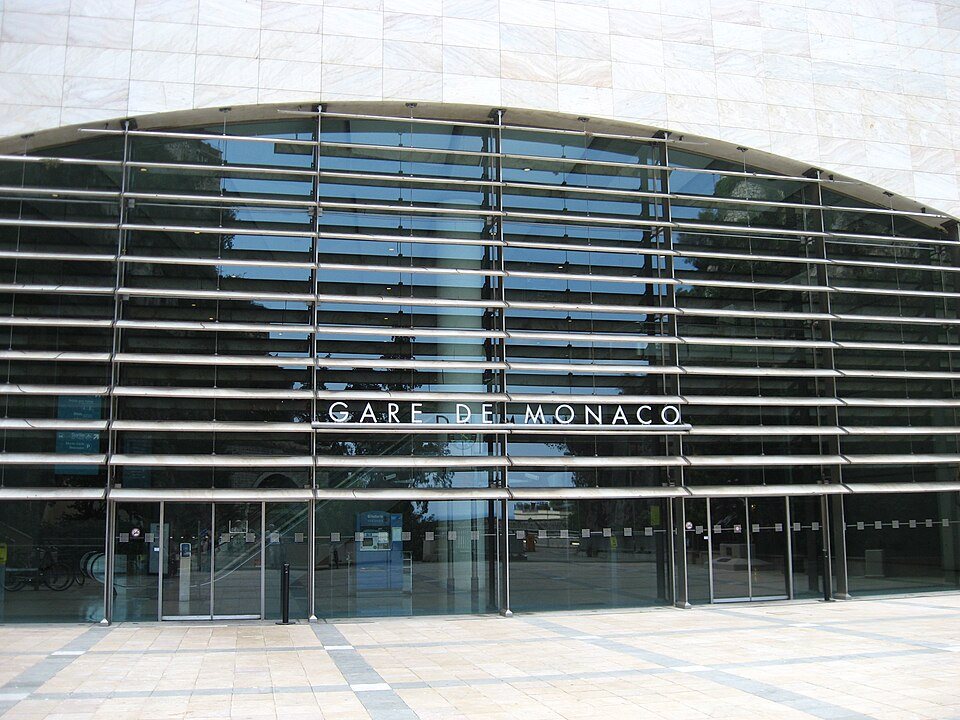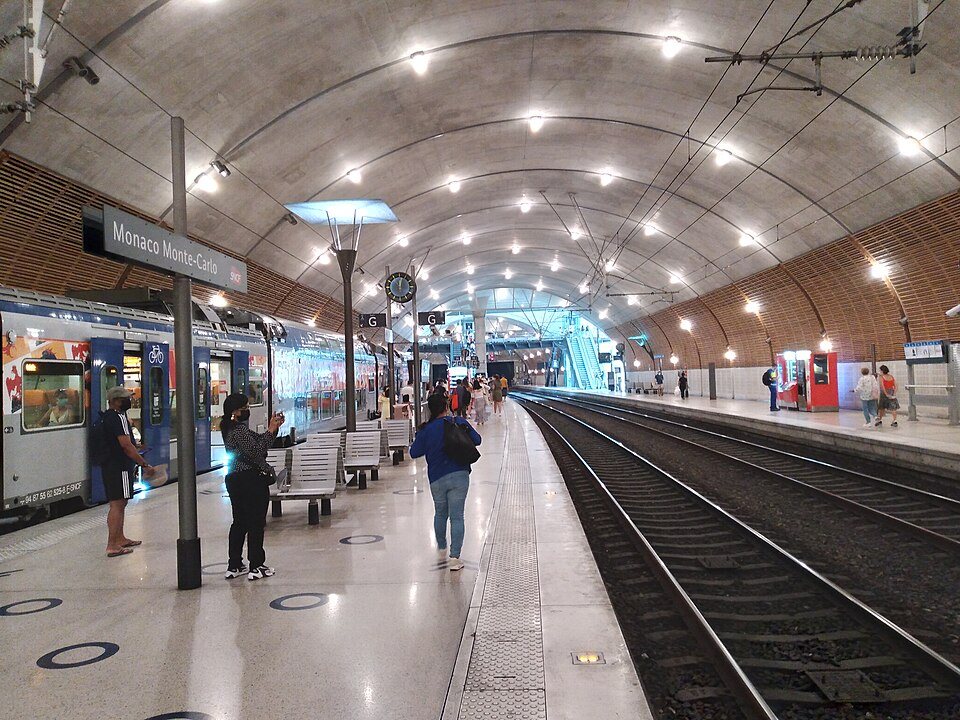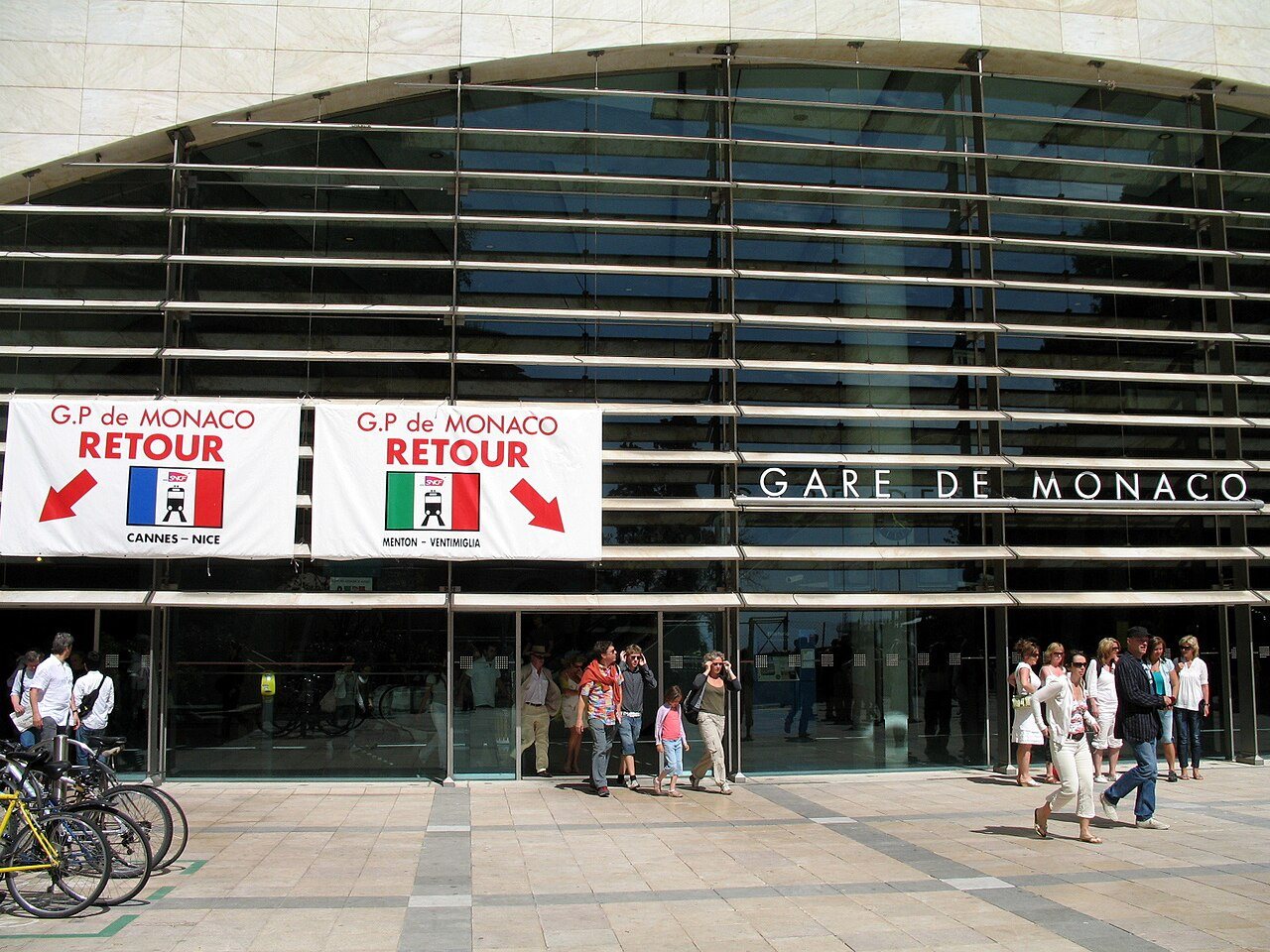
There is only one train station in Monaco, and you will not see it from the street until you are almost on top of it. The Gare de Monaco-Monte-Carlo sits entirely underground, tunneled into the rock that the Rock of Monaco is named for, with no grand facade, no clock tower, nothing to photograph from outside. What matters far more than what it looks like is which exit you take when you arrive, because the exits do not all lead to the same place — not even close.
One station, several unrelated neighborhoods
The station was rebuilt underground years ago as part of a tunneling project that let the principality reclaim surface land for building. The platforms sit deep inside the rock, and from them, escalators and elevators climb out to several separate exits scattered across Monaco's compact geography. Come up the wrong one and you can end up a genuine uphill walk from where you meant to be, hauling luggage on streets that were not designed with suitcases in mind.
The exits roughly correspond to these areas:
- Fontvieille — useful if you're headed toward the port, the stadium area, or the car collection. See Fontvieille for what's within reach on foot from here.
- La Condamine / Port Hercule — the exit closest to the harbor itself, handy for anyone heading toward the harbour or up toward Monaco-Ville and Le Rocher.
- Monte Carlo / boulevard side — the exit for the area around the Casino gardens, the building that also houses the Opéra de Monte-Carlo in its Salle Garnier, and onward toward Larvotto.
- Sainte-Dévote — closer to the chapel at Sainte-Dévote and the base of the hill leading up toward the Rock.
Before you board, check which side of Monaco your hotel or destination sits on, and look up which exit gets you there — station signage names the neighborhoods, not just exit numbers, so knowing the name in advance saves you from guessing underground.
Why this trips people up more than it should
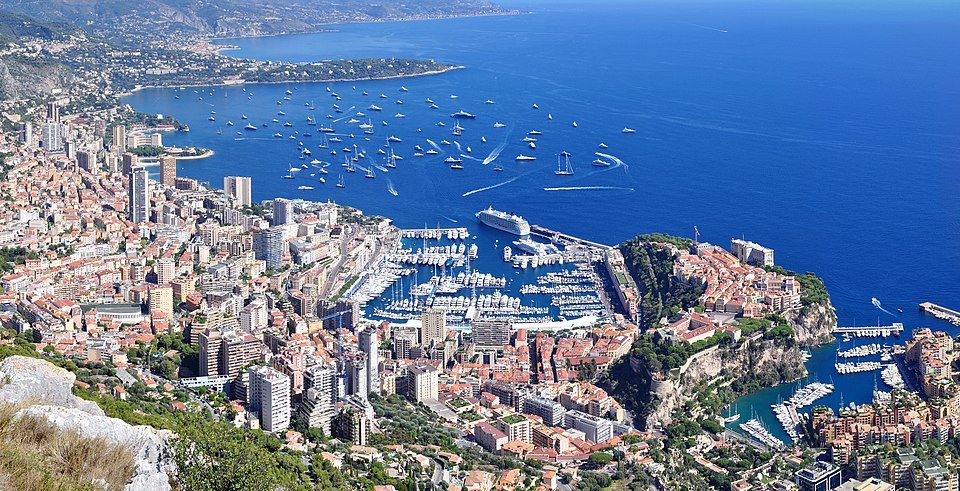
Monaco is small on a map, which makes visitors assume any exit gets them close enough. The terrain says otherwise. The principality is built on a hillside broken up by the Rock itself, and a wrong exit doesn't just mean walking an extra block — it can mean climbing a set of stairs or a steep street you hadn't planned on, or backtracking around a headland to reach the harbor from the wrong side. Someone staying near Le Rocher who surfaces at the Monte Carlo exit will find themselves separated from the old town by the entire harbor basin.
If you're arriving with heavy luggage, this is not a place to guess and correct. Elevators exist at each exit, but they are not always all running at once, and a stalled elevator at the wrong exit turns a simple arrival into a genuine problem. Check current elevator status with the station or ask staff on the platform rather than assuming.
Getting through the station itself
Inside, the station reads like an airport terminal more than a small-town rail stop — long tiled corridors, moving walkways in places, and repeated directional signage pointing toward each named exit. This is by design: the tunnel is long enough that walking the wrong direction costs real time, not just a few wasted steps. Luggage lockers and basic services exist inside, run by the station operator, and any question about access, current service interruptions, or specific facilities is best directed to them directly rather than guessed at.
The station serves the coastal rail line connecting Nice and the Italian border towns beyond, and Monaco's stop sits in the middle of that route without any border formalities to navigate — a detail that surprises people expecting a customs stop where there isn't one.
What to do once you're above ground
Once you've picked the right exit, Monaco is genuinely walkable, but the walkability depends on starting point. From the Fontvieille exit, it's a level walk toward the port and marina area. From the Monte Carlo side, expect an uphill stretch toward the casino gardens and the boulevards beyond. From the Sainte-Dévote and Condamine exits, the Rock itself looms visibly, and reaching the Palace or the cathedral means committing to the climb, on foot or via one of the public elevators built into the hillside for exactly this purpose.
For onward travel beyond walking distance, Monaco's public buses connect from stops near several of the station exits, and taxis queue at the surface exits during regular hours. If your route includes crossing the harbor itself, the small passenger ferry that shuttles across the harbour is worth knowing about — check current schedule and details with the operator rather than assuming a fixed timetable.
If you're unsure which exit to use and don't want to study a map in advance, ask any station agent for the neighborhood name of your destination rather than an address — locals navigate Monaco by area name far more than by street number, and station staff are used to pointing arriving visitors toward the right stairwell.
Planning around the station rather than through it
The practical lesson is simple: treat the station less as a single point of arrival and more as a junction with several distinct doors, each opening onto a different piece of Monaco. Decide your first destination before you board, note the exit name that matches it, and you'll skip the single most common mistake first-time arrivals make here — climbing out into daylight only to discover they're on the wrong side of the Rock from where they meant to be. For a broader sense of how the different areas connect once you're above ground, see Getting Around and Sights for what's realistically in walking range from each exit.
In pictures