The Rock is the original Monaco: a limestone promontory jutting into the Mediterranean, with the Palace at one end, the Cathedral in the middle, and the Oceanographic Museum hanging off the far cliff. Everything else in the principality — the harbor, Monte Carlo, Fontvieille — grew up around it later, mostly on land that didn't exist a century ago. This is the part that did.
Its defining fact is size. You can walk from the Palace square to the museum terrace in about ten minutes if you don't stop, which nobody does, because there's a church, a square, a rampart wall, and about six streets worth stopping for. Knowing that it's small changes how you plan the visit: this is not a place to allocate a full day to, and trying to stretch it into one usually means standing around waiting for the next Guard change or wandering the same three streets twice.
Getting up there
The Rock sits above the harbor, and there are three real ways up: on foot via the Rampe Major (a switchback ramp and stair that climbs from Place d'Armes, the old route and still the most atmospheric), by public lift and escalator from the port side, or by car if you're prepared to hunt for one of the parking structures cut into the rock itself. See getting around for the specifics of routes and connections.
The lifts and escalators are free to use and run all day, and they're the easiest option if you're coming up from Port Hercule with kids, luggage, or simply no interest in stairs. They're not obvious from the street — look for unmarked doors and glass towers along the harbor road — but locals use them constantly, and they'll deposit you a short walk from the Cathedral.
If you drive up, the historic streets on top are pedestrian-only. You'll park below or in a structure and walk in regardless, so driving mainly saves the climb, not the walking once you're there.
What's actually on it
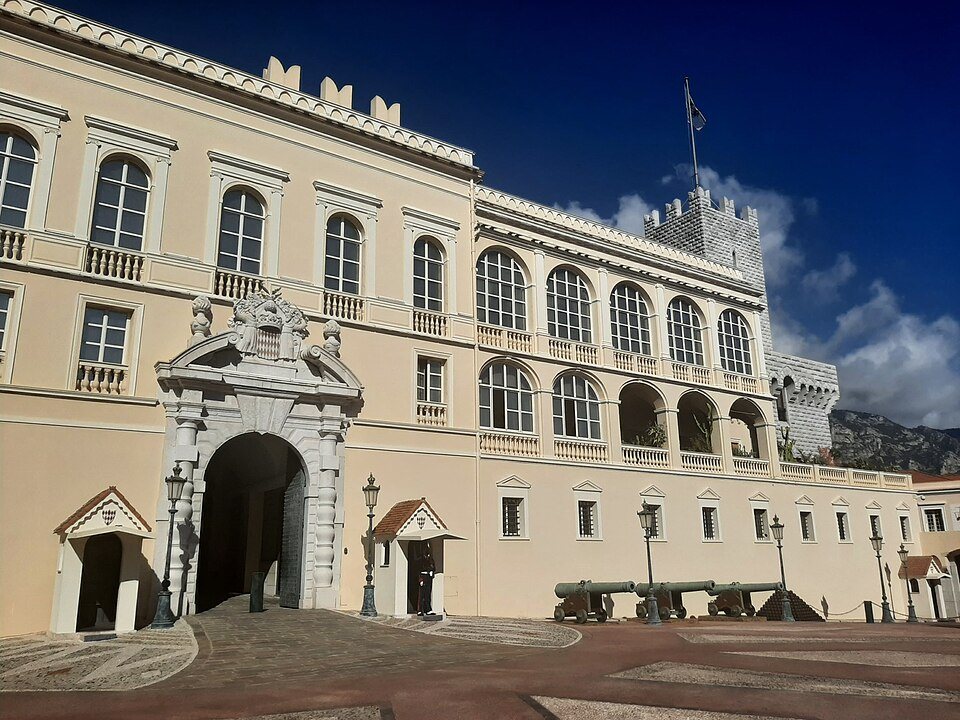
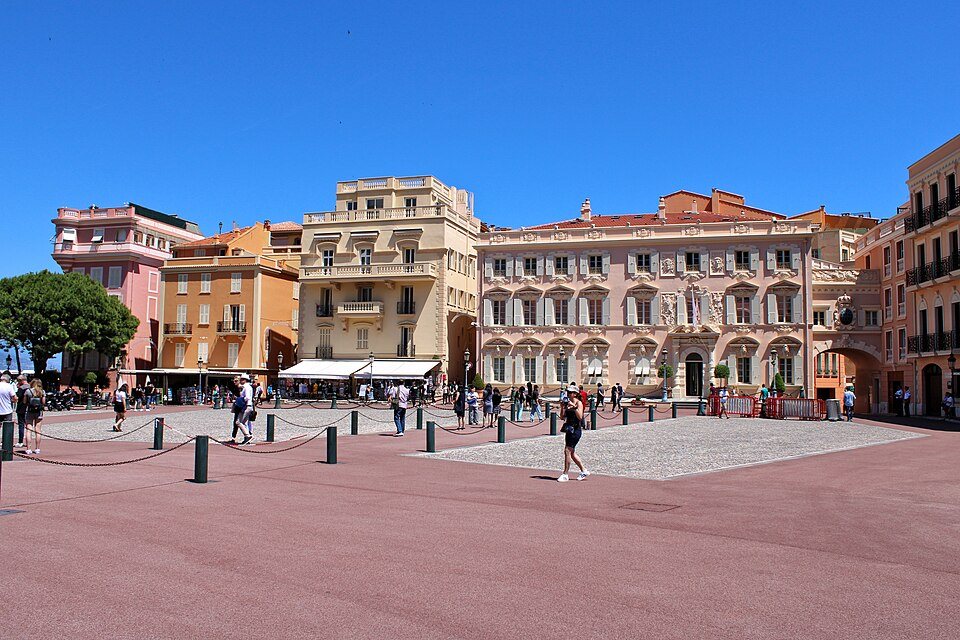
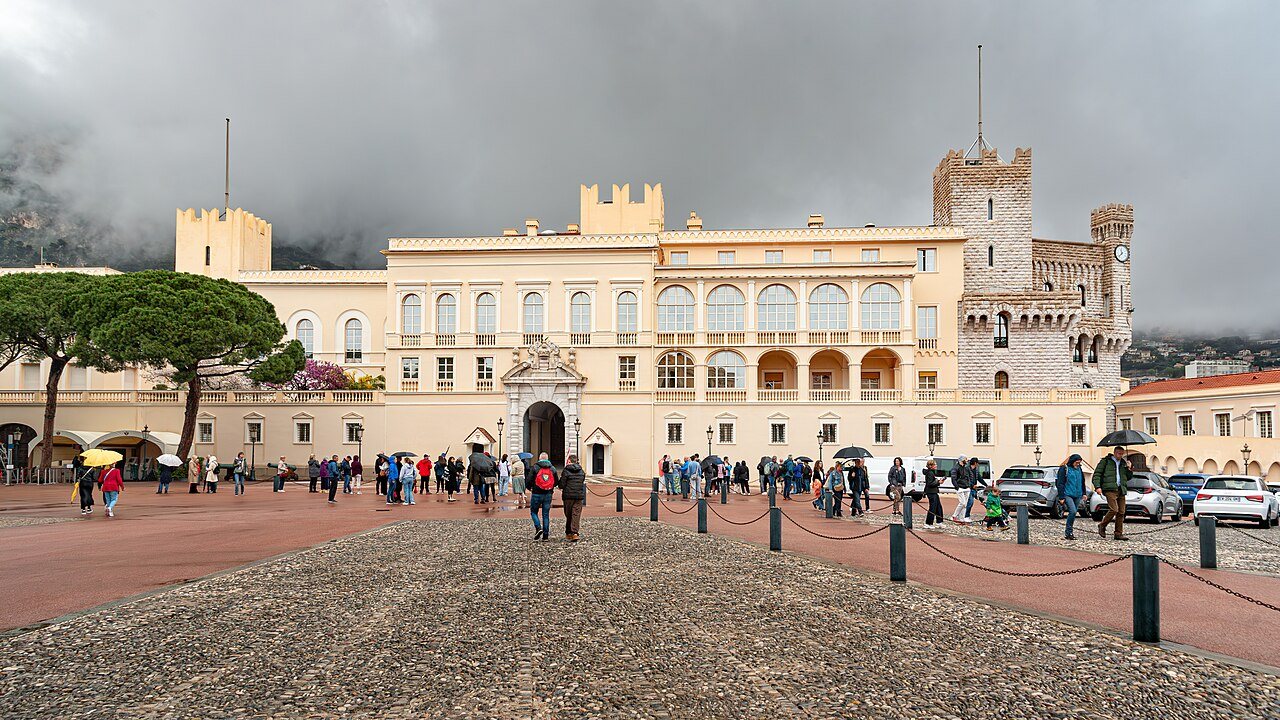
The Palais Princier anchors the western end, fronted by a large square where the Guard change happens on a fixed schedule — check locally for the current time, since it's not something to guess at. The square itself is worth lingering in even outside that moment: it's the best open view back toward the harbor and the mountains behind Monaco, and it's where most people take the one photograph they'll actually keep from the visit.
From the square, narrow streets lead toward the Cathédrale de Monaco, a Romanesque-Byzantine building in white stone that holds the tombs of Monaco's princes, including Rainier III and Princess Grace. It's a working cathedral, not a monument dressed up as one, so treat it accordingly — quiet voices, no wandering around during a service.
Continue past the cathedral and the streets open out toward the cliff edge and the Musée Océanographique, the aquarium and research institute built directly into the rock face, with a facade that's arguably the most photographed building on the Rock after the Palace itself. The terrace behind it gives an unimpeded view straight down to the sea, with nothing but a low wall between you and a very long drop — worth the visit for that alone even before you go inside.
Below and around the museum, a path leads out along the old fortifications toward Fort Antoine, a small 18th-century fort now used as an open-air theater. It's the quietest corner of the Rock, usually empty of the crowds that gather near the Palace and cathedral.
The walk itself
Between the landmarks, the Rock is mostly a tangle of pale stone streets — Rue Basse, Rue Comte Félix Gastaldi — lined with tall, shuttered buildings that make the whole place feel more like a fortified village than a national capital, which is essentially what it is. See the streets for more on how this layout came to be and why it survived when almost nothing else in Monaco stayed old.
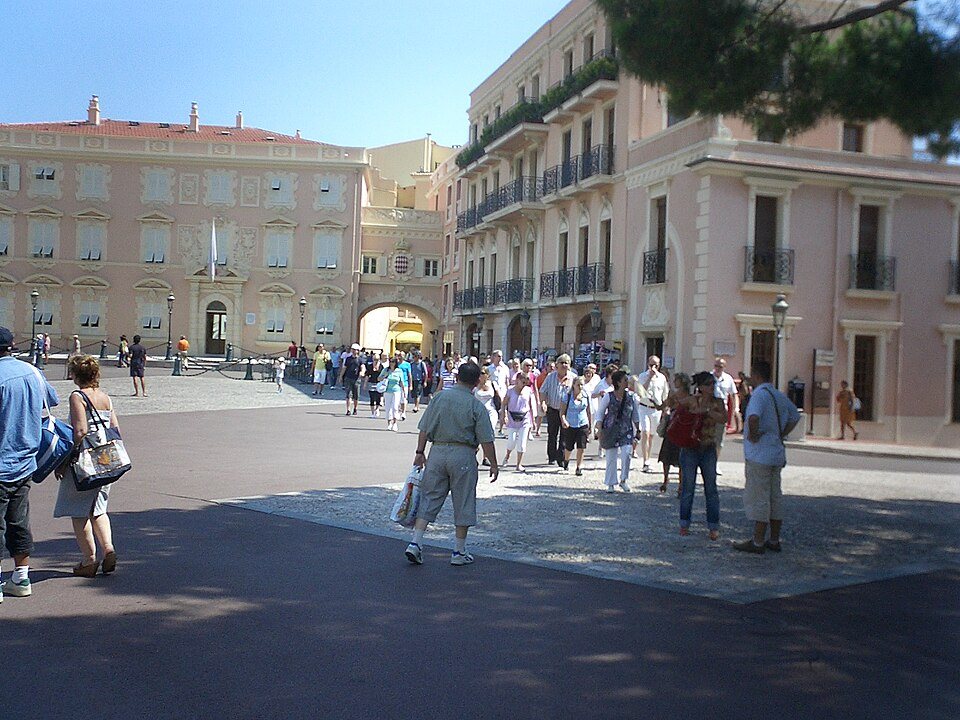
These streets get very crowded around midday when tour groups arrive by the coachload, particularly near the Palace square and the main street leading to it. If you want the place with something like its actual atmosphere, arrive early or come back late in the afternoon once the groups have moved on to the aquarium or left entirely.
There's also a genuine risk of getting turned around. The Rock's streets don't run in a simple grid — they curve with the contour of the rock — so it's easy to end up walking the same stretch twice without realizing it. This isn't a serious problem given the size of the place, but it explains why visitors sometimes describe the Rock as bigger than it is: they've covered the same ten minutes' worth of streets three times over.
Where it connects
From the cliff edges and the fortification paths, you get some of the clearest orientation views in Monaco: the harbor and Port Hercule directly below to one side, the newer district of Fontvieille and its marina to the other, and the hills of France rising behind both. It's a useful stop early in a visit for exactly this reason — the Rock tells you where everything else is before you go looking for it.
Because it's compact and self-contained, the Rock also pairs naturally with a harborside stretch on the same day, rather than needing its own full itinerary. For how it fits with the rest of Monaco-Ville and the wider old town, see Monaco-Ville; for how to sequence it with the Palace, museum, and harbor in a single outing, the itineraries section has suggested combinations. For an overview of what else counts as unmissable across the principality, start at sights.
In pictures