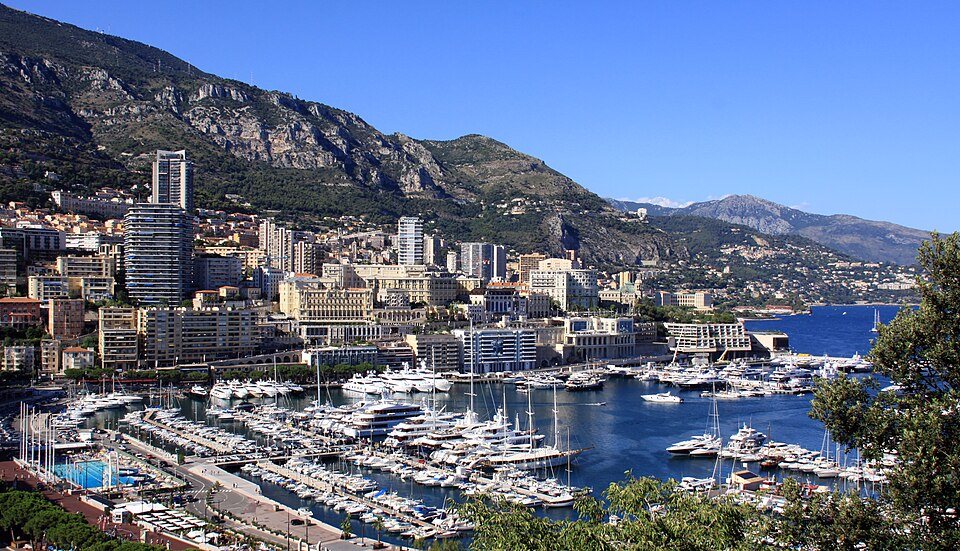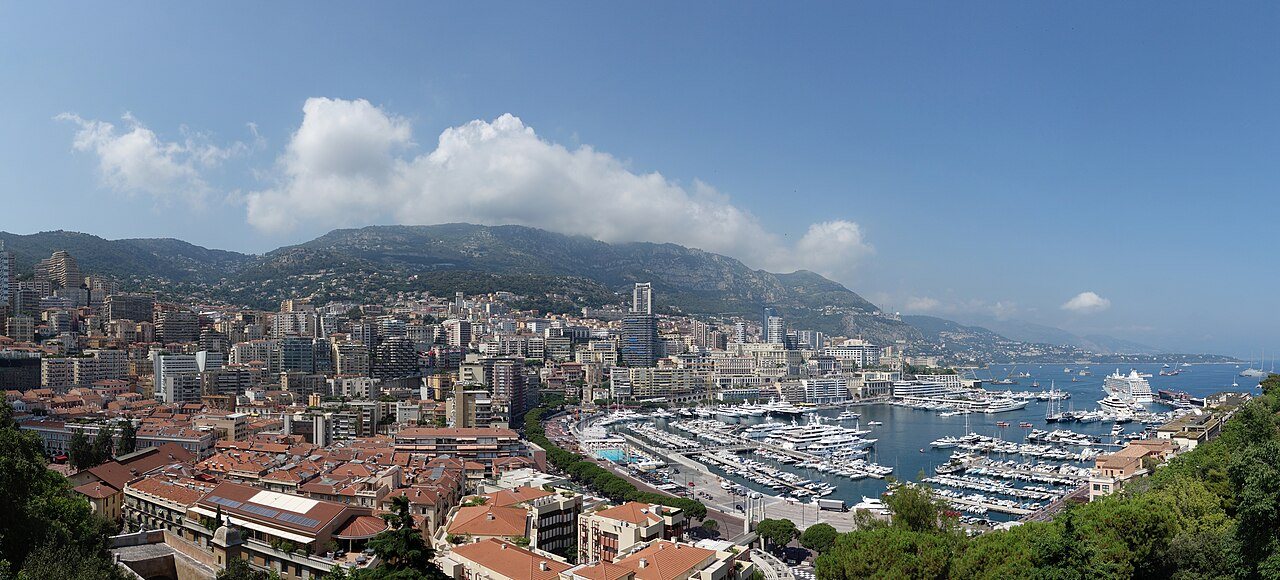
Menton sits just across the border in France, close enough that the train ride from Monaco barely has time to get going before it stops. It is also, in almost every way that matters to a visitor, the opposite of Monaco. Where Monaco is dense, vertical, and rebuilt, Menton is low, sprawling, and largely original. If a few days in Monaco start to feel like one long walk past construction hoarding and marina glass, Menton is the corrective. It still looks like a town people live in, because they do.
Getting there without overthinking it
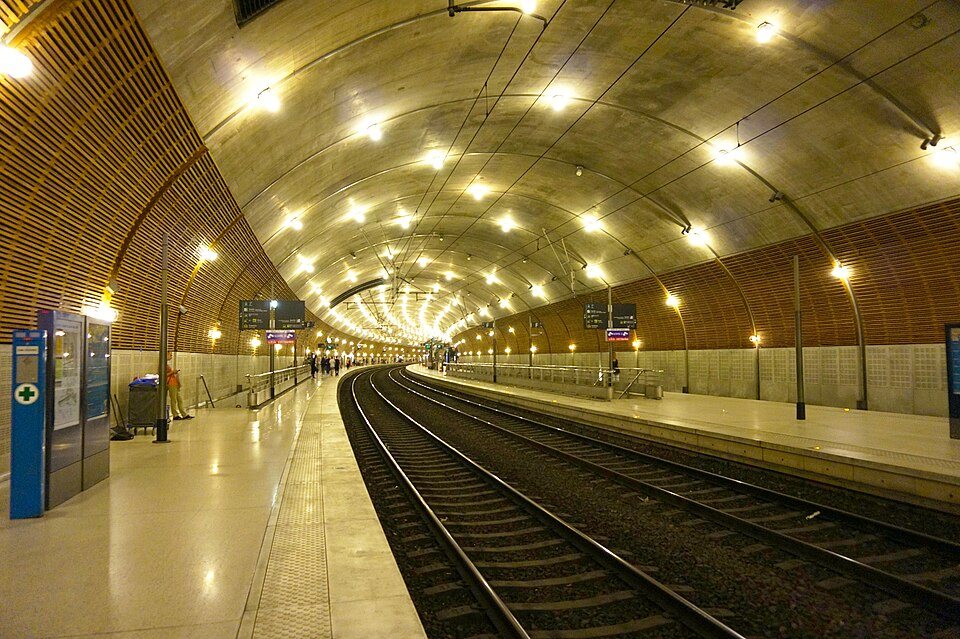
The train from Monaco-Monte-Carlo station to Menton is the obvious choice and the right one. It runs frequently along the coast, the ride is short, and there is no parking problem to solve at the other end. Buses also make the run along the Basse Corniche for anyone who wants the coast road view instead of a tunnel. Either way, check current timetables and ticketing through the operator before you go rather than guessing — see getting around for the general logic of trains versus buses versus driving along this stretch of coast.
Sit on the right-hand side of the train on the way out of Monaco. The line hugs the sea past Cap Martin, and that side gets the view instead of the hillside.
Menton's station is a short downhill walk from the old town, which means it's an uphill walk back. It is not steep enough to matter, but it is enough to notice after a day on your feet.
What Menton has that Monaco traded away
Monaco's old quarter, le Rocher, is genuinely old, but it is compact and surrounded on all sides by newer Monaco pressing in — the harbour, the made ground at Fontvieille, the tower blocks of Larvotto. Menton's old town has room to breathe. Ochre and pink buildings climb a hillside above the sea in long stepped streets, laundry visible on lines between them, and the whole thing isn't a museum piece — people buy bread there, not souvenirs exclusively. The Basilique Saint-Michel Archange, with its tiled dome and a forecourt paved in a black-and-white pebble mosaic bearing the Grimaldi coat of arms (Menton was itself a Grimaldi possession for centuries before voting to join France), sits at the top of the climb and is worth the stairs for the view back down to the harbor alone.
The covered market, the Marché couvert, is the other reason to come. It's a Belle Époque iron-and-glass hall near the old port, full of stalls selling the region's produce, and it's the clearest contrast with Monaco you'll find anywhere on this trip: a working food market, not a hotel lobby. Menton is known for its lemons specifically — the local microclimate, warmer and more sheltered than Monaco's, lets citrus grow here in a way it doesn't a few miles west, and the town's winter lemon festival is built entirely around that fact. Outside festival season, the lemons are still there, just sold rather than sculpted.
The Cocteau connection
Jean Cocteau spent time in Menton and left two reasons to walk the old port. The first is the small wedding-registry room at the town hall that he decorated with murals, still used for its original purpose. The second, more striking, is the Musée Jean Cocteau Collection Séverin Wunderman, a low concrete building on the seafront built specifically to house the collection, next to the older Bastion fort where Cocteau's museum first lived. The combination — a 17th-century bastion and a deliberately modern museum building sitting side by side on the same stretch of waterfront — says something about how Menton treats its own history: it keeps the old building and builds the new one next to it, rather than replacing one with the other. Confirm current opening arrangements with the museum directly before planning a visit around it.
Menton also has two gardens with real reputations among people who care about gardens specifically — the Serre de la Madone and the Val Rahmeh botanical garden — both benefiting from the same mild microclimate that makes the lemons possible. Neither is a quick stop; budget them as their own excursion rather than an add-on to the old town walk, and check access arrangements ahead of time since both are set back from the center.
A loop that works in one day
Start at the station, walk down toward the old port, and go up into the old town first, before the heat or the crowds build — the stepped streets are shaded for a good stretch of the morning. Come down at Saint-Michel and continue to the Bastion and the Cocteau museum on the seafront. Loop back along the promenade for lunch, then finish at the covered market before heading to the station. That's a full but unhurried day, and it leaves the two gardens for a separate trip if you want to do them properly rather than rushed.
The old port, between the Bastion and the newer marina, is a better place to sit with a coffee than anywhere directly on the main promenade — it's narrower, less trafficked, and faces straight back at the old town climbing the hill.
This isn't a case against Monaco. The Palais Princier, the cathedral, and the Jardin Exotique are worth the time they take, and nothing in Menton replaces the view down over the principality from the Rock. But Monaco's old town is one neighborhood inside a much larger project of modern building, and after a day or two that project starts to dominate the impression you leave with. Menton doesn't have that problem, because it never underwent that project. Go for the day, eat where the market points you, and come back to Monaco having remembered what an un-rebuilt Riviera town actually looks like. For other short trips out of the principality along the same coast, see day trips.
In pictures