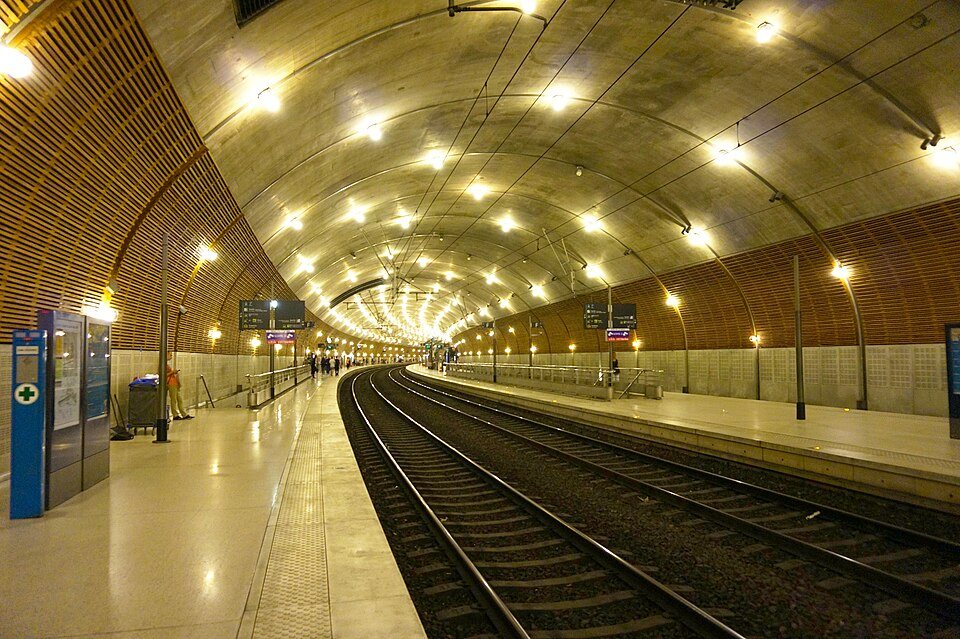
Arriving by train in Monaco means arriving underground. The Gare de Monaco is tunneled into the rock between Fontvieille and Monte-Carlo, and most first-time visitors lose their first twenty minutes just working out which exit gets them where. With half a day to spend, that twenty minutes matters, so it's worth knowing the layout before you step off the platform.
Finding your way out of the station
The station has several marked exits rather than one obvious front door. Follow signage toward "Monaco-Ville" or "Fontvieille" depending on your plan, not toward "Monte-Carlo," which drops you on the wrong side of the harbor for a Rocher-focused visit. A series of escalators and moving walkways carries you up through the rock; it feels more like an airport transfer than a train station exit, and on a first visit it's easy to backtrack. If you're heading for the old town, look for signs toward Place d'Armes — that's the exit that puts you closest to the base of Le Rocher.
Once outside, the climb up to Le Rocher is on foot, either via a ramped street or a public lift that shortcuts the steepest section. The lift is convenient but it's a single, heavily used elevator shared with residents — expect a short wait if a cruise ship happens to be in port that day. For general orientation on buses, lifts, and walking routes around the principality, getting around covers the mechanics in more depth than there's room for here.
The old town in a few concentrated hours
With half a day, the sensible move is to commit entirely to Monaco-Ville, the walled old town on the Rocher, rather than trying to also reach Monte-Carlo or Larvotto. It's compact enough to cover on foot and dense enough with things to see that you won't feel shortchanged.
Start at the Palais Princier, the reigning family's official residence. The changing of the guard happens on a fixed daily schedule set by the Palace itself, so check the current posted schedule rather than assume a time — it's worth timing your arrival around it if you want to see the full ceremony rather than catching the tail end. The State Apartments are open to visitors on a timed-ticket system; buy directly through the Palace's own ticketing rather than from a street vendor near the square, and know that the apartments close to visitors entirely during the months the Prince is in residence.
From the Palace square, it's a short walk to the Cathédrale de Monaco, a Romanesque-Byzantine building that's the resting place of several members of the princely family, including Grace Kelly. It's a working parish church, not a museum, so dress and behavior expectations are the same as any church — covered shoulders, quiet voices, no visits during services.
Threading between the Palace and the cathedral are the narrow lanes of the old town itself — tall ochre buildings, small squares, the kind of streets that reward just wandering for twenty minutes without a destination. This is covered in more depth under the streets if you want the texture of it rather than a checklist.
If the sea pulls at you more than the architecture
The Musée Océanographique sits on the cliff edge at the far end of the Rocher and is the single best use of an hour or two if you'd rather spend your half-day indoors with tanks and specimens than outdoors with façades. The building itself is worth a look even if you don't go in — it rises directly out of the cliff face with no visible foundation from below, which is a more striking piece of engineering than most visitors expect from a natural history museum. Allow real time inside; the aquarium level alone can absorb an hour without anyone rushing you.
If you're tight on time, don't try to combine the Palace State Apartments, the Cathedral, and the Oceanographic Museum all in one half-day visit along with lunch. Pick two. The distances are short but each stop takes longer than it looks on a map, and rushing the Palace tour in particular tends to be the regret people mention afterward.
Getting lunch without losing the afternoon
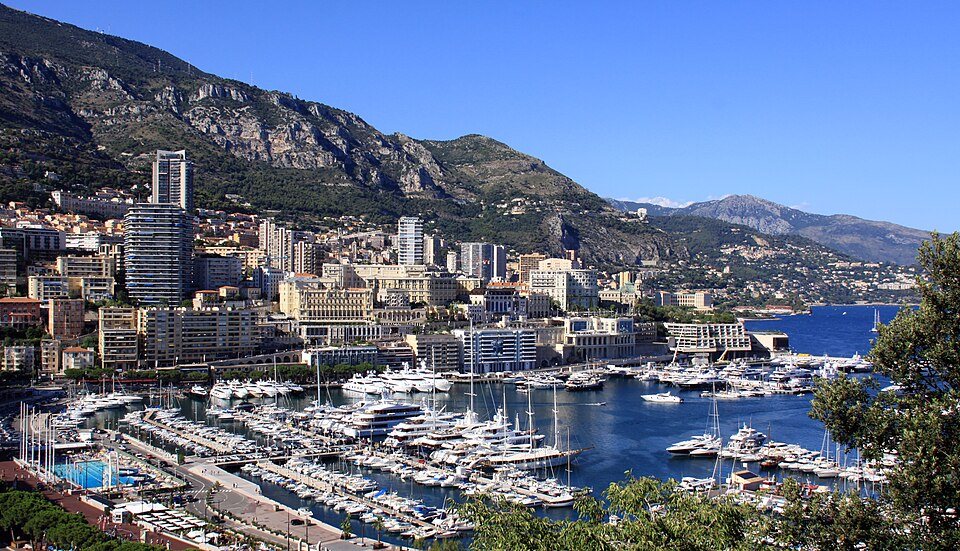
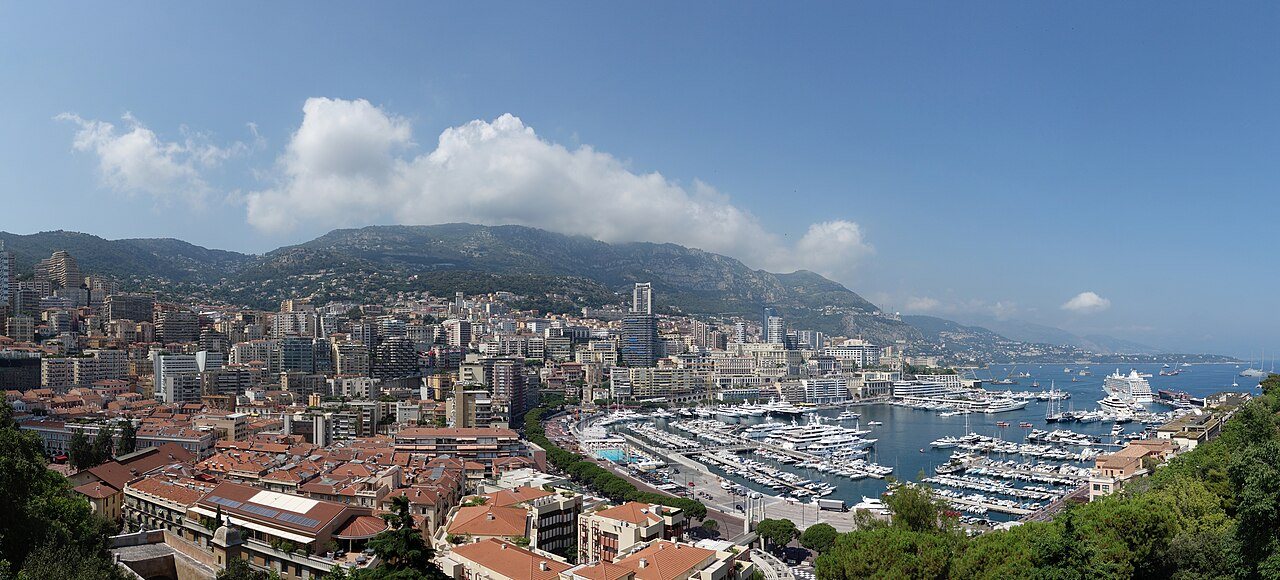
The old town has cafés tucked into the lanes around the Palace square, mostly aimed at the visiting crowd, and they're fine for a quick sit-down between sights. If you'd rather eat somewhere with a view and a slower pace, walking down toward the harbour adds fifteen minutes each way but puts you alongside the yachts rather than the tour groups. Food and drink has more detail on where locals actually eat versus where the coach parties are steered.
If your train back is firm, work backward from it rather than forward from your arrival. Give yourself a buffer of at least thirty minutes to get back down from the Rocher and through the station's escalator system, especially if you're carrying luggage — there's no quick shortcut down the way there sometimes is going up.
What to skip, honestly
With only half a day, resist the pull toward Jardin Exotique or Fontvieille, both genuinely worthwhile but both requiring a bus or a longer walk that eats into the old town time you don't have much of. They're better suited to a return visit or to a full-day plan — see itineraries for longer versions of a Monaco day that fold them in properly. For a train-based half-day, the old town, the Palace, the Cathedral, and the Oceanographic Museum are enough ground to cover well rather than four neighborhoods covered badly.
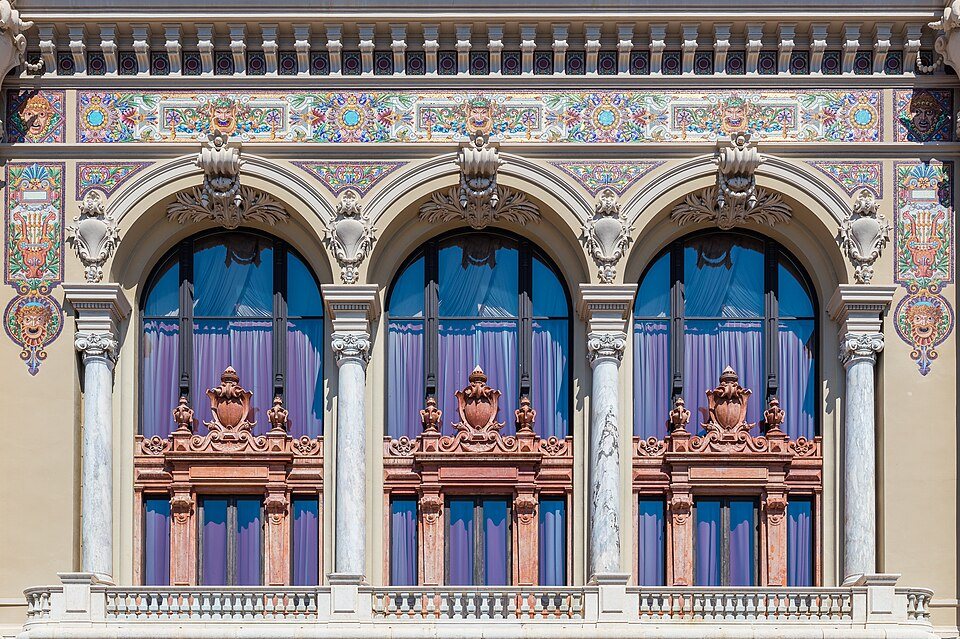
The architecture around Monte-Carlo, including the Garnier building that houses the Opéra de Monte-Carlo, is worth seeing on a trip with more time — but it sits across the harbor from the station exit most half-day train visitors will use, and adding it here usually means shortchanging the Rocher instead.
In pictures