Ask anyone what "Monégasque food" means and you'll likely get an answer that's actually Niçois, Provençal, or Ligurian. That's not a failure of research — it's geography. Monaco is barely a couple of square miles, wedged between two culinary traditions that have been feeding each other recipes for centuries. A few dishes, though, are genuinely the principality's own, and knowing which is which makes eating here a lot more interesting than just ordering whatever's on the terrace menu.
Barbagiuan: the one dish that's actually Monaco's
If Monaco has a national dish, this is it. A barbagiuan is a small fried pastry parcel, traditionally filled with Swiss chard and rice (sometimes pumpkin is worked in too), sealed and deep-fried until the shell blisters and crisps. It's eaten with the hands, usually several at a time, and it's humble in a way that nothing else associated with Monaco tends to be — no butter-laminated pastry, no truffle, just chard, rice, a little cheese, and hot oil.
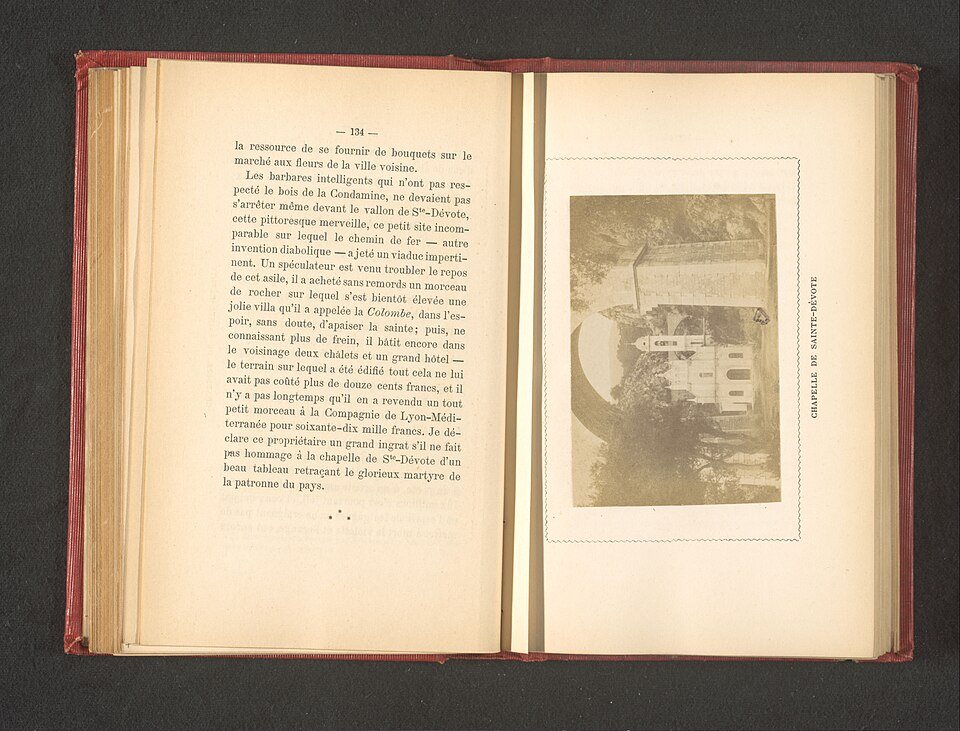
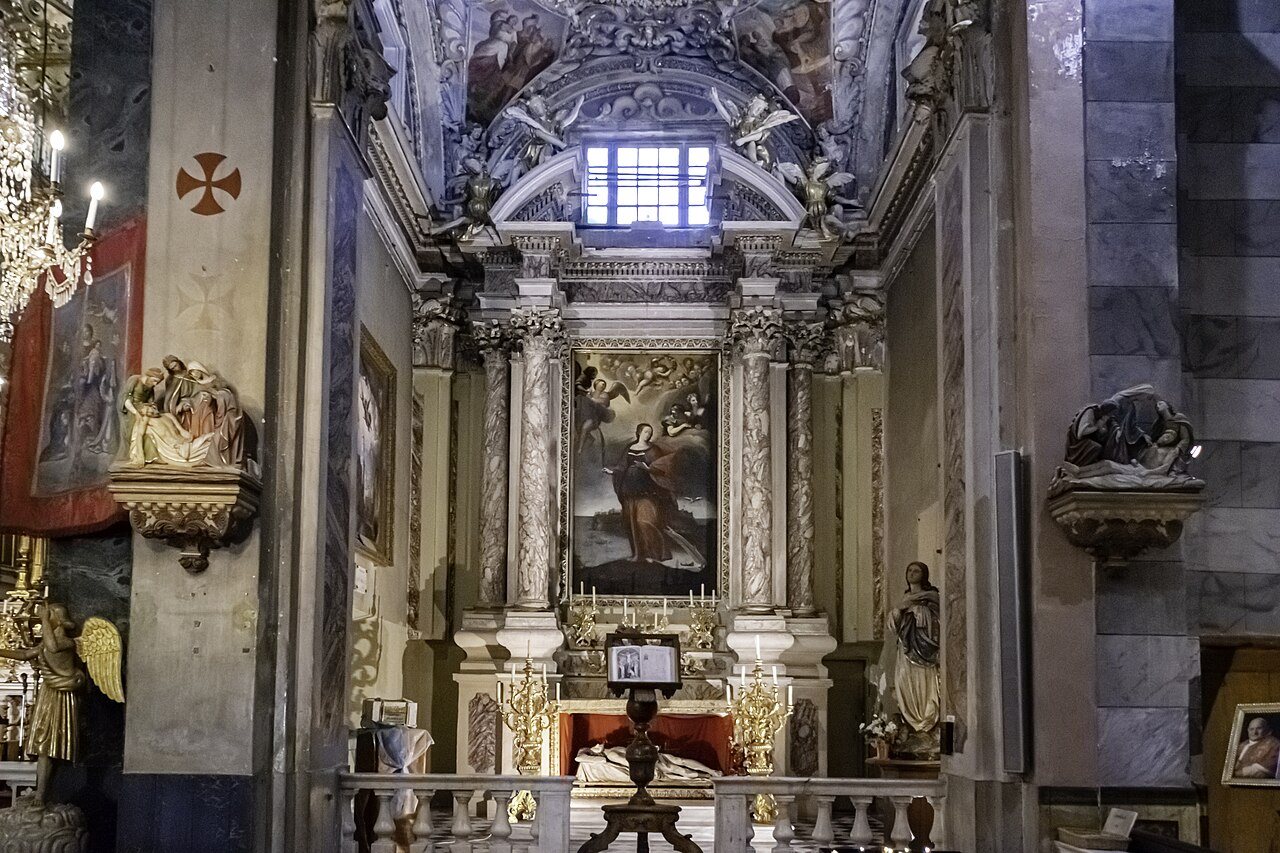
The name itself is a clue to where it sits: it's Monégasque dialect, not French or Italian, which tells you this recipe predates the modern borders around it. Barbagiuan shows up at local festivals and markets, and it's most visible around the feast of Sainte Dévote, the principality's patron saint, when stalls in the old town fry them by the batch.
If you want to taste one made properly rather than reheated, time a visit around a local festival or a stall in Monaco-Ville rather than a hotel buffet — the texture of the fried shell is the whole point, and it doesn't survive sitting under a heat lamp.
Socca belongs to Nice, not Monaco
Socca is everywhere along this stretch of coast, and in Monaco you'll see it on menus as if it were a local specialty. It isn't — it's Niçois, born out of Nice's chickpea-flour batter cooked thin and fast on a wide metal tray over very high heat, then scraped off in rough, blistered pieces and eaten standing up, usually with a crack of black pepper and nothing else. It travels well because it's simple, which is exactly why it's crossed the border into Monaco's cafés and food stalls without anyone much minding the distinction.
That's not a complaint about socca — it's genuinely good, and worth eating while you're on this coast regardless of which side of the border it was invented on. It's just worth knowing that if a menu lists socca as a "Monégasque specialty," that's marketing shorthand, not history. The same applies to pan bagnat and pissaladière, both squarely Niçois exports that have simply become regional staples everyone shares.
Don't assume a dish is Monégasque just because it's served in Monaco. The principality's food culture absorbed a lot from Nice and Liguria long before anyone drew a customs line through the middle of it, and most restaurant menus here don't bother separating the two.
Fougasse de Monaco: not the bread you're picturing
This is where things get genuinely confusing, because "fougasse" means two completely different things depending on which side of the coast you're standing on. The fougasse most people know — the flat, slashed, olive-oil bread studded with olives or herbs — is Provençal, savory, and sold in every bakery from Marseille to Menton.
The fougasse de Monaco is nothing like it. It's a dry, hard, faintly sweet biscuit-bread flavored with orange blossom water and aniseed, often studded with almonds, closer in texture to a rusk than to anything you'd call bread. It's traditionally made in large flat discs, deliberately dry so it keeps, and it's distinctive enough that it's recognized as a specifically Monégasque recipe rather than a regional one shared with Nice or Provence.
If a bakery's "fougasse" is savory and olive-studded, you're looking at the Provençal version. The Monégasque one is sweet, pale, and aniseed-scented — ask specifically for fougasse de Monaco if that's the one you're after, since both names sit on menus and signs without much clarification.
Where this history actually shows up on the ground
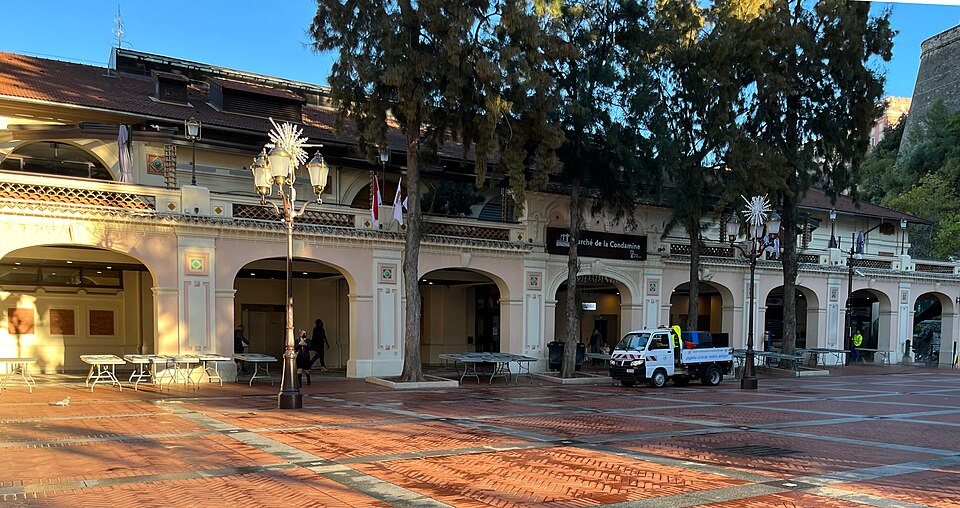
None of this is academic — it maps onto where you'll actually be walking. The steep lanes of Le Rocher and the old quarter of Monaco-Ville are where the local, less tourist-oriented food tends to surface: small bakeries, a stall at a market, a family-run spot that's been frying barbagiuan the same way for decades. Wander the streets behind the cathedral rather than along the harbor front and you're more likely to find it.
Down toward the harbor and the newer districts, menus skew toward what sells to a broader crowd — socca, pan bagnat, pizza by the slice — which is pleasant enough but tells you less about Monaco specifically. If you're building a day around food rather than sights, it's worth pairing a stop in the old town with one of the general itineraries that already routes through Monaco-Ville, so the food stop doesn't feel like a detour.
A few other things worth knowing if you're trying to eat your way through what's genuinely local:
- Stocafi — a stewed stockfish dish with tomatoes and olives, slow-cooked and distinctly Monégasque in the way it's seasoned, though stockfish stews of various kinds show up along the whole coast.
- Brousse — a soft, fresh sheep's or cow's milk cheese used in both sweet and savory local dishes, shared with the Niçois hinterland rather than unique to Monaco, but commonly folded into barbagiuan fillings here.
- Beignets de fleurs de courgette — zucchini blossoms, battered and fried, another dish claimed by both Nice and Monaco depending on who's telling the story.
The honest takeaway is that Monaco's food identity isn't large, and it was never going to be — there simply isn't the land or the population base to sustain a cuisine entirely separate from its neighbors. What it does have is a small handful of dishes, barbagiuan and the sweet fougasse chief among them, that are specifically its own, surrounded by a much larger, shared Riviera food culture that it happily borrows from. Knowing the difference doesn't make the shared dishes less worth eating. It just means you'll actually recognize the two or three things that belong to Monaco alone when you come across them.
In pictures